
About
History
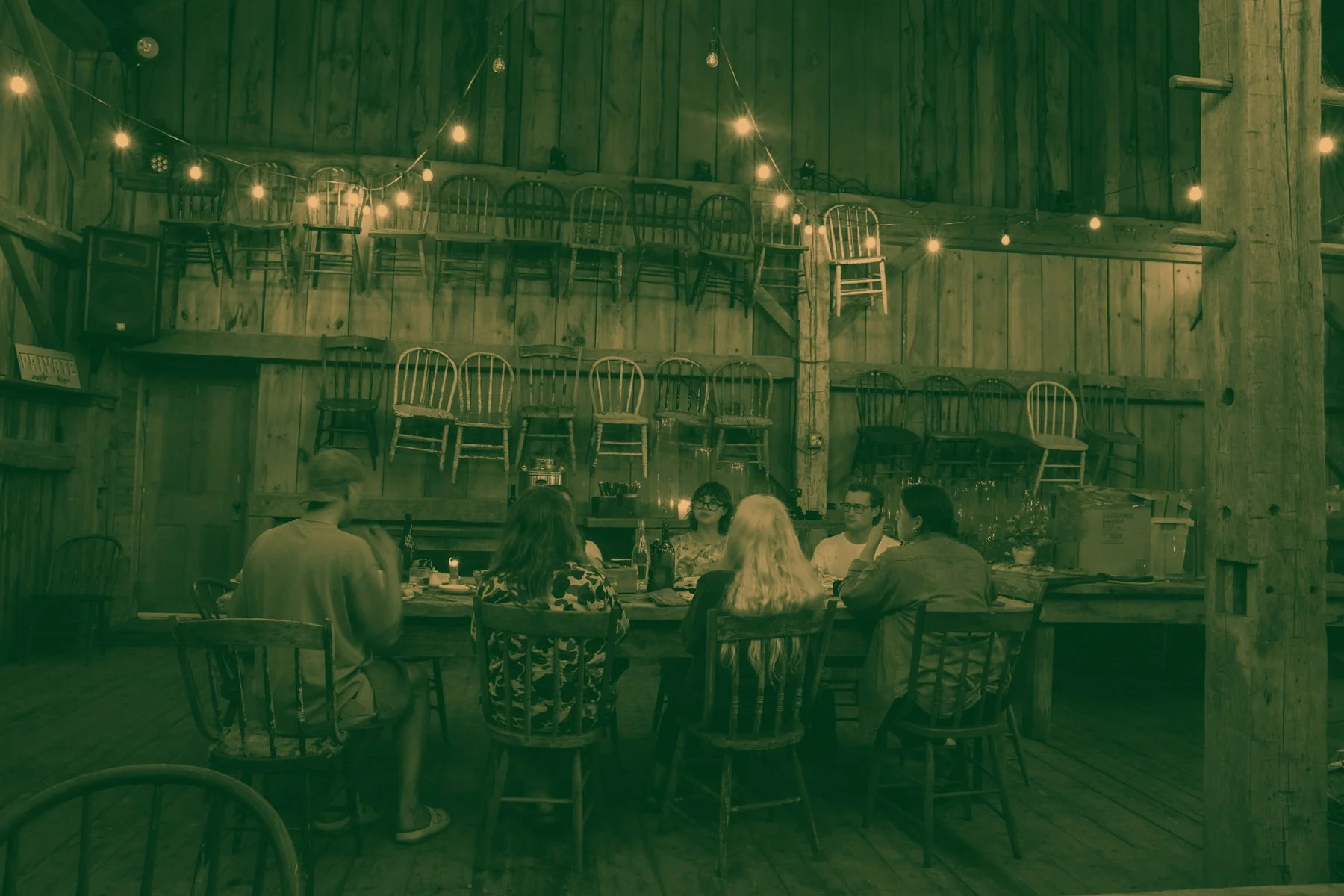
Worlds End is a farm that was originally part of Saipua, an olive oil soap and floristry company owned and run by Sarah Ryhanen and her mother Susan.
Saipua made a name for itself through the dedication and hard work of many people since 2006 when it opened its first studio in Red Hook, Brooklyn.
In 2017 we closed our city operation to focus on education at the farm and build what has become Worlds End School of Thought Agriculture and Craft.
Worlds End School is a site for experimenting with different ways we can live, work and be in relationship to each other and the physical world around us. There’s a lot we would like to change about the world! Here, in a remote agricultural project, we can tinker with change in real time.
For some time, Saipua was the primary economic engine for the world-building activities at the farm. In 2023, Worlds End School established itself as a non-profit and we began the work of creating its own identity apart from Saipua.
Saipua still makes and sells a lot of beautiful olive oil soap and maintains a small and special floristry practice focused on teaching.
The School
Entrenched in the material world of the farm at Worlds End. Everything we learn and teach here is caught up in a web of relationships formed between particular species we cohabitate with, aspects of this environment and the tangled narratives and histories we bring with us. We aim to 1. spark curiousity 2. cultivate practices of careful observation 3. encourage experimentation. We learn by doing.
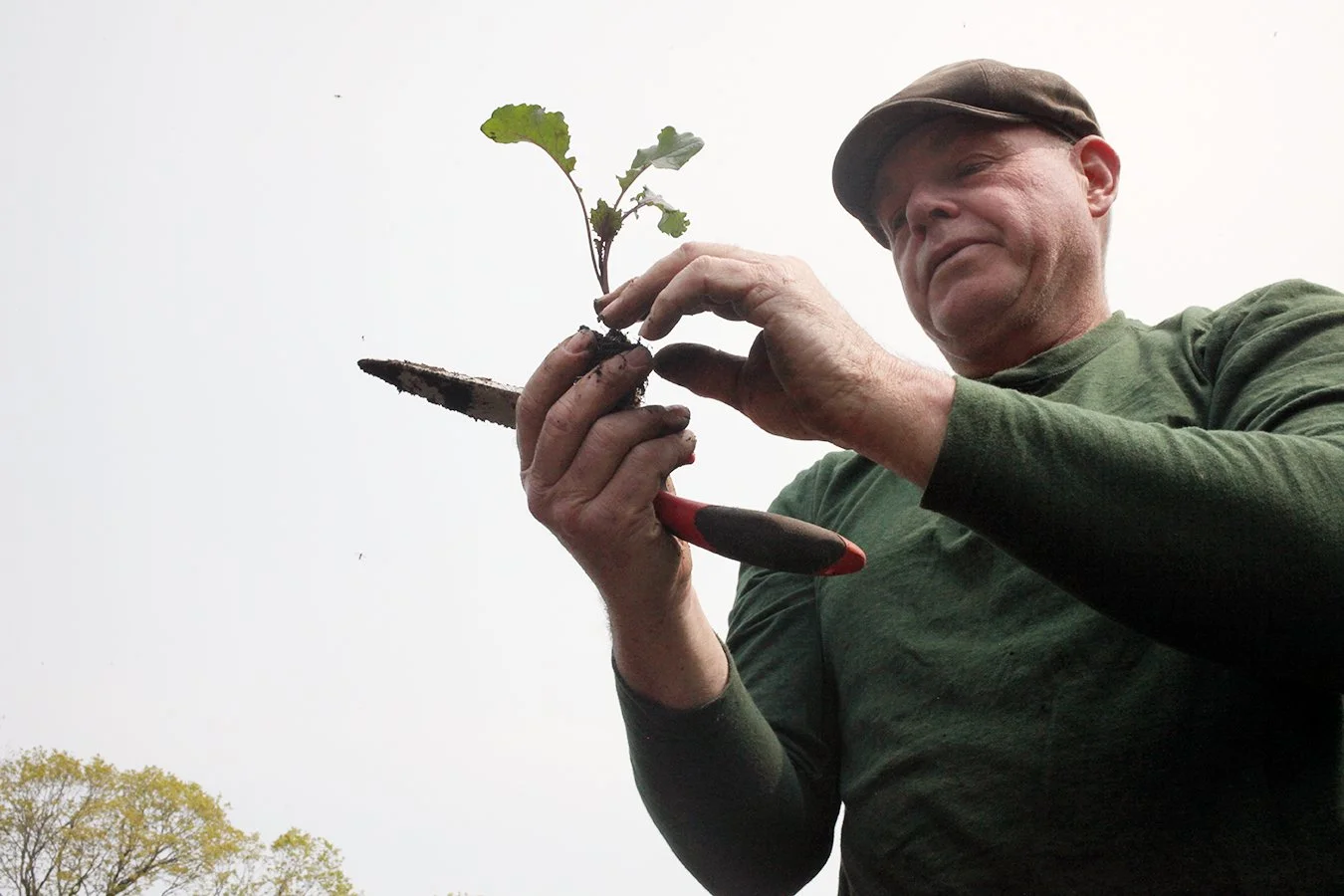
We teach and learn about growing food, seed starting, soil health, composting, we teach and learn shepherding, spinning, weaving, floral design, we teach each other about beauty and setting the table and choosing paint colors, we teach cooking and soap making, essential oil blending, plant medicine, we teach about bookkeeping and setting up small businesses, we teach mah jong and how to cut and stack firewood. We teach rituals, processes and we share observations. We learn through failures and iterations. We learn through trying new things, making things, ingesting things, rumination and regurgitation of things, and destroying things.
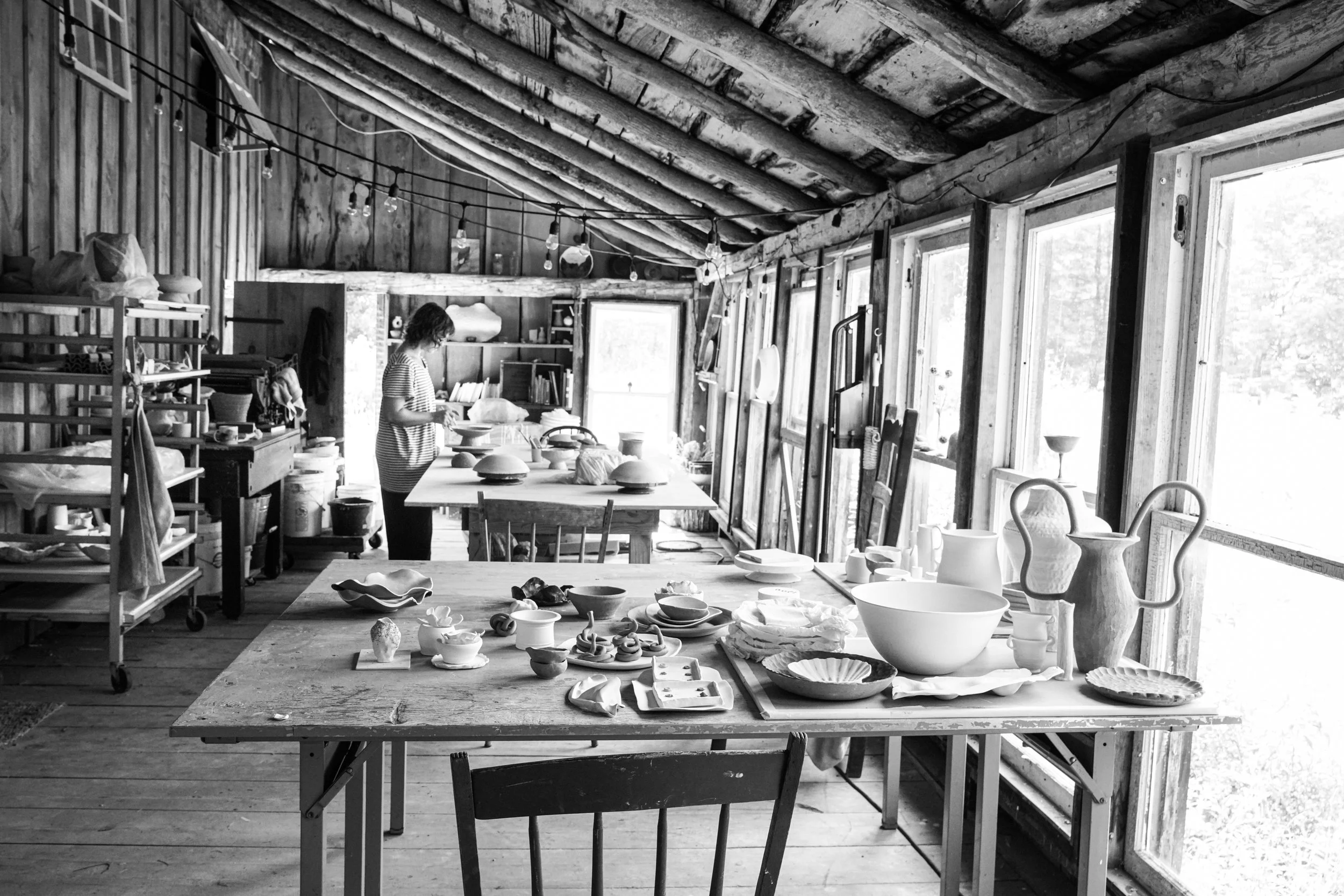
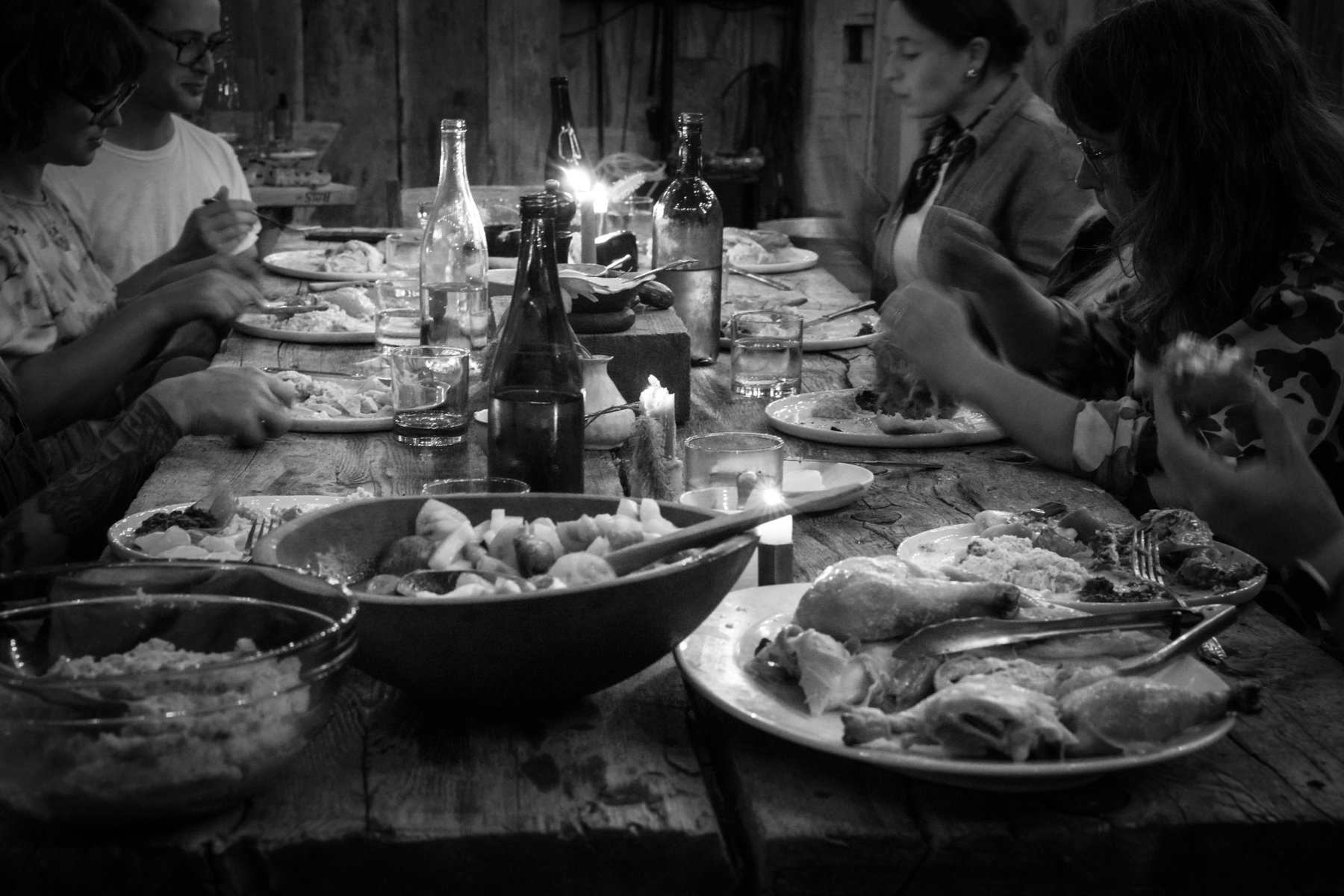
A lot the schools work happens around the kitchen...
There are no classrooms, official textbooks or documents at Worlds End; our curriculum is born from oral traditions and spread through conversations standing in the hallway, working in the gardens, over our whatsApp, during meals, shouted across the field while moving sheep, through writing and video distributed on the internet, and through gossip networks forged over the last decade.
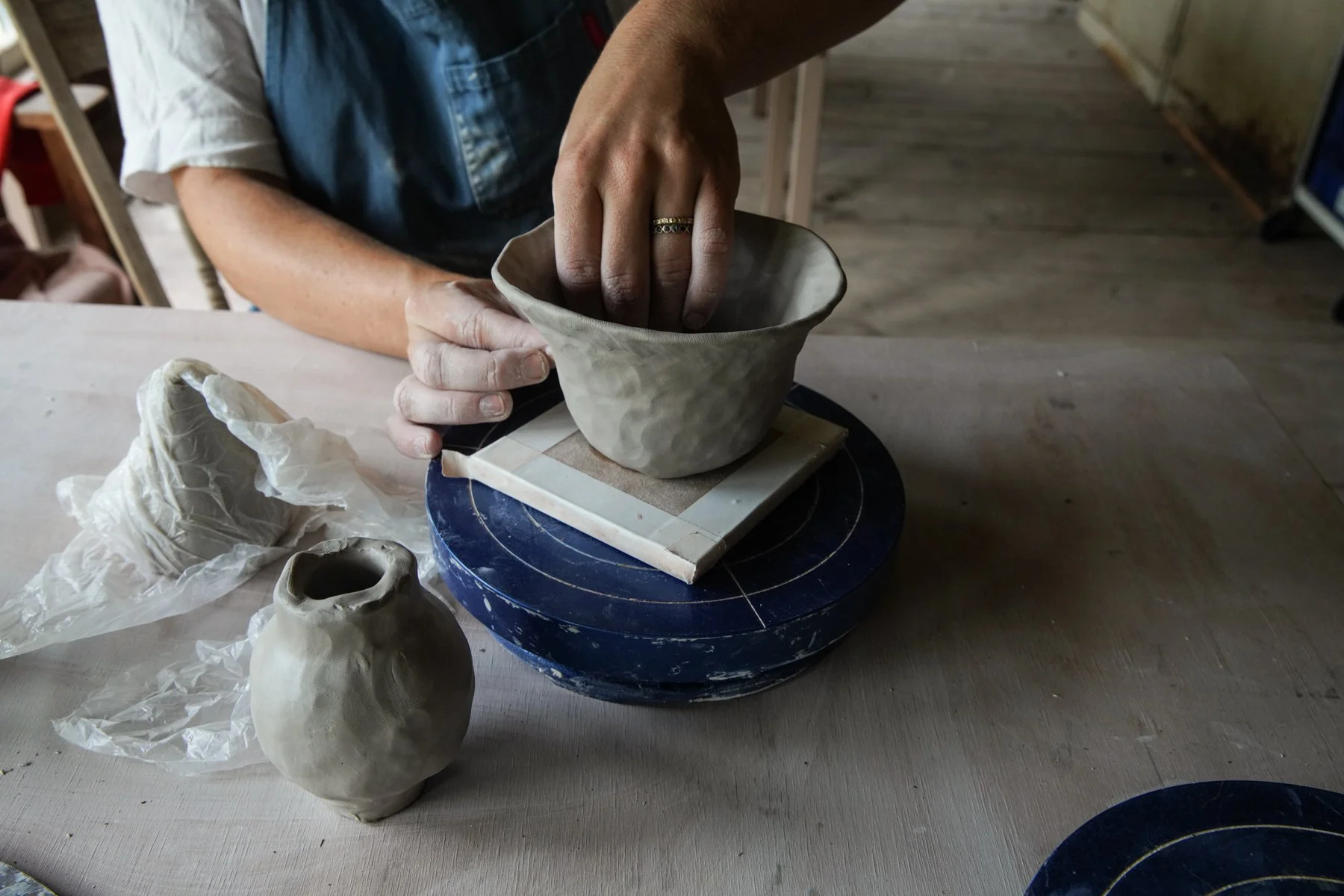
What is being taught and learned depends on who is living here...
Some years there is a basketweaver, some years a baker. There are almost always floral courses and soapmaking courses. There is cooking/gardening/shepherding coursework regardless of when or why you come to school. Some people come for the day or for dinner, some come for a week, some stay years, others go and come back.