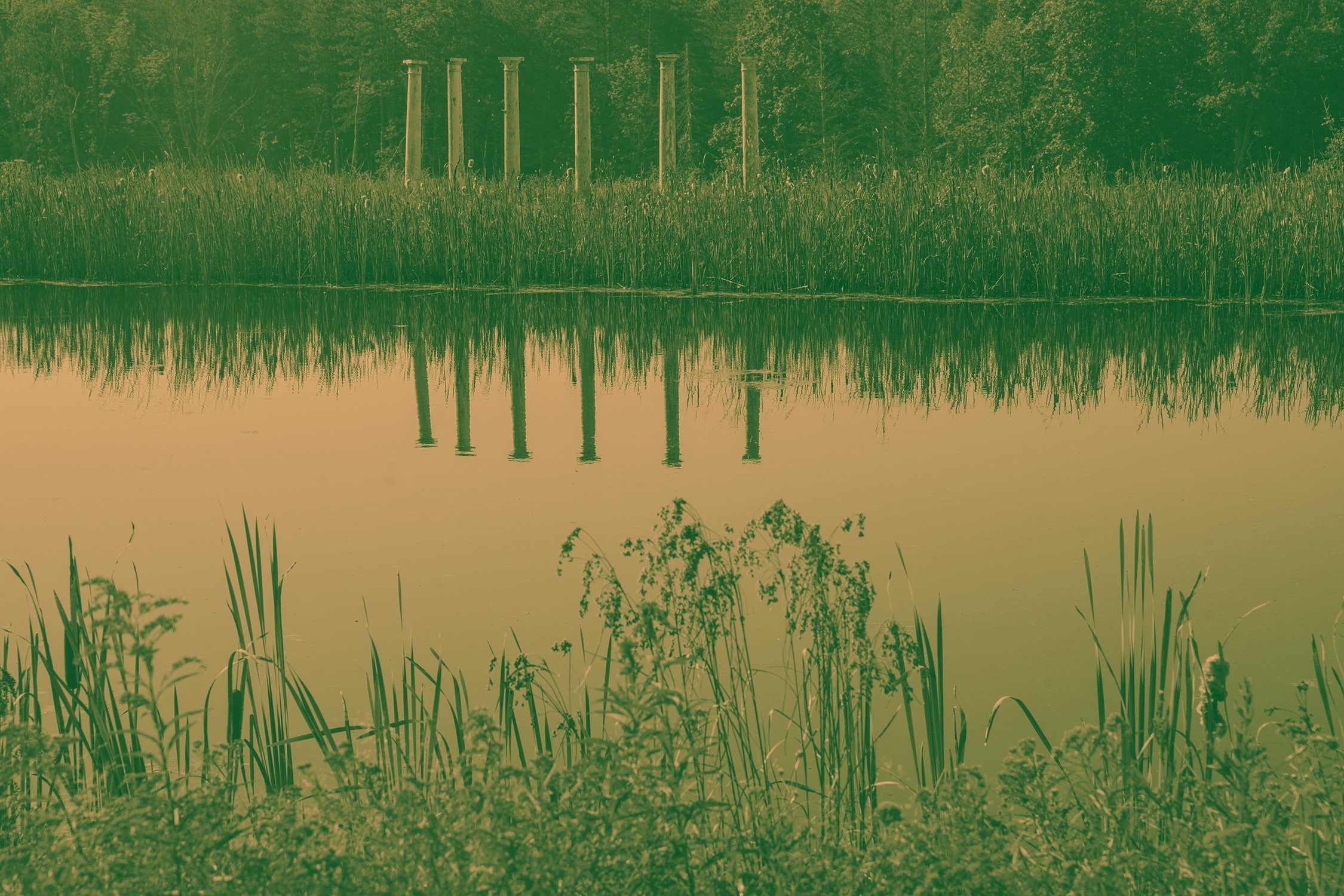
Pillars
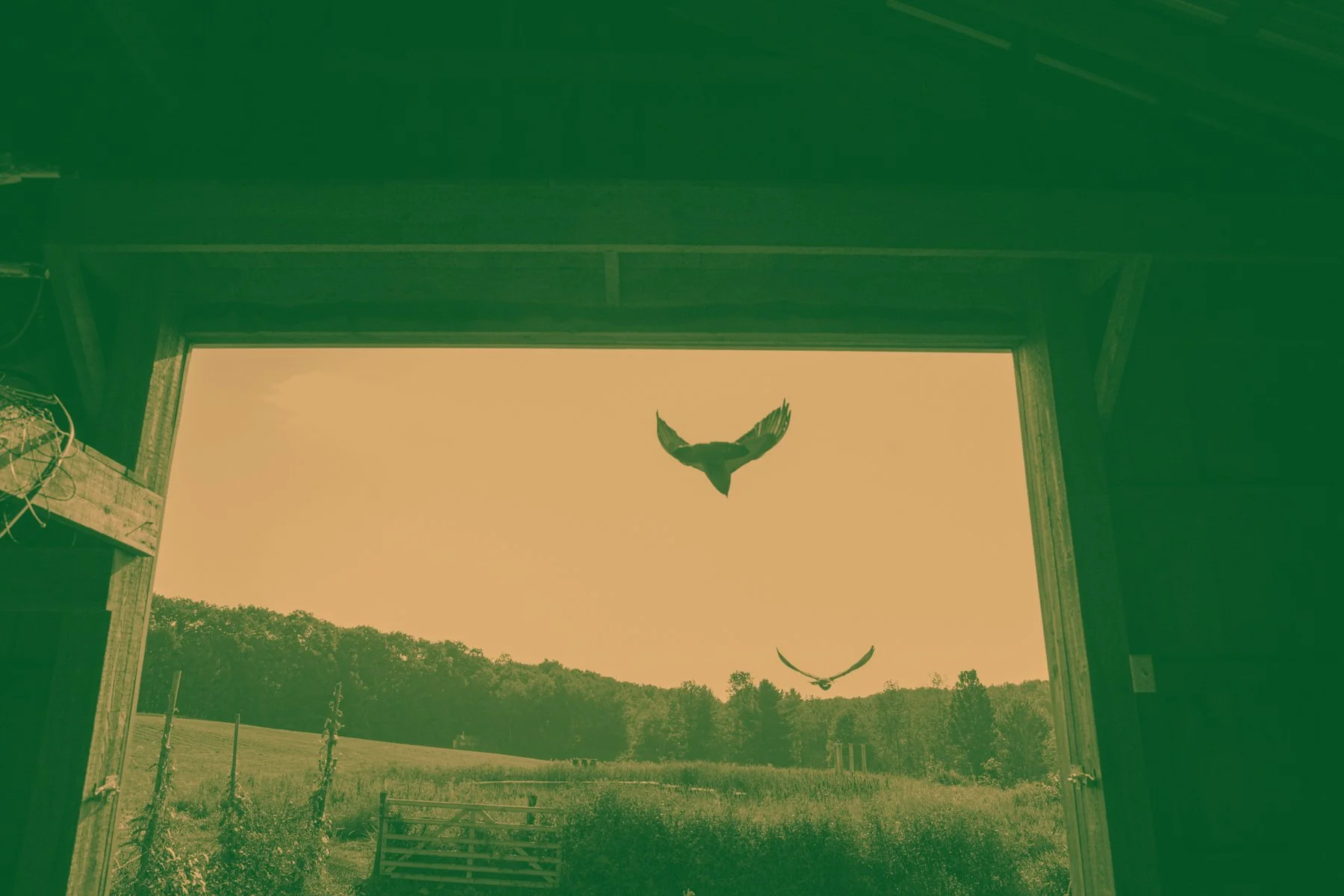
Thought
We are engaged in the work of world-building.
Where as the Agriculture and Craft are rather obvious aspects of what we focus on at school, the denotion of Thought as one of our pillars is intended to describe the circling around and questioning of the old and new philosophys and ways of living which drive our main question: how can we tinker at the fringes of society to conjure subtle and radical new ways of being human on a damaged planet.
An example of an ‘old way’ would be intergenerational, communal living which we practice with care and constant adjustment.1
An example of ‘new way’ would be our attempt to move towards a fluid, non-hierarchical organizational model which balances a thriving organization of peoplealongsidea thriving organization of plants, animals, soil and water. This requires deep listenting, careful observation and continual reevalutation. Mistakes are made!
By borrowing certain aspects of learning institutions (501-c3 status, monetary exchange with some students) while rejecting others (consolidated power, exclusivity) we continue experimenting ... organizing ourselves around evolving desires and needs in tandem with our ecosystem.
1. This organization of kin/communities was common until the closing of the commons, the spread of settler colonialism and the erasure of indiginous peoples worldwide. Only within a few generations have we lost this powerful practice to the force of Capital and its proclivity for unbounded growth, individualism, etc.
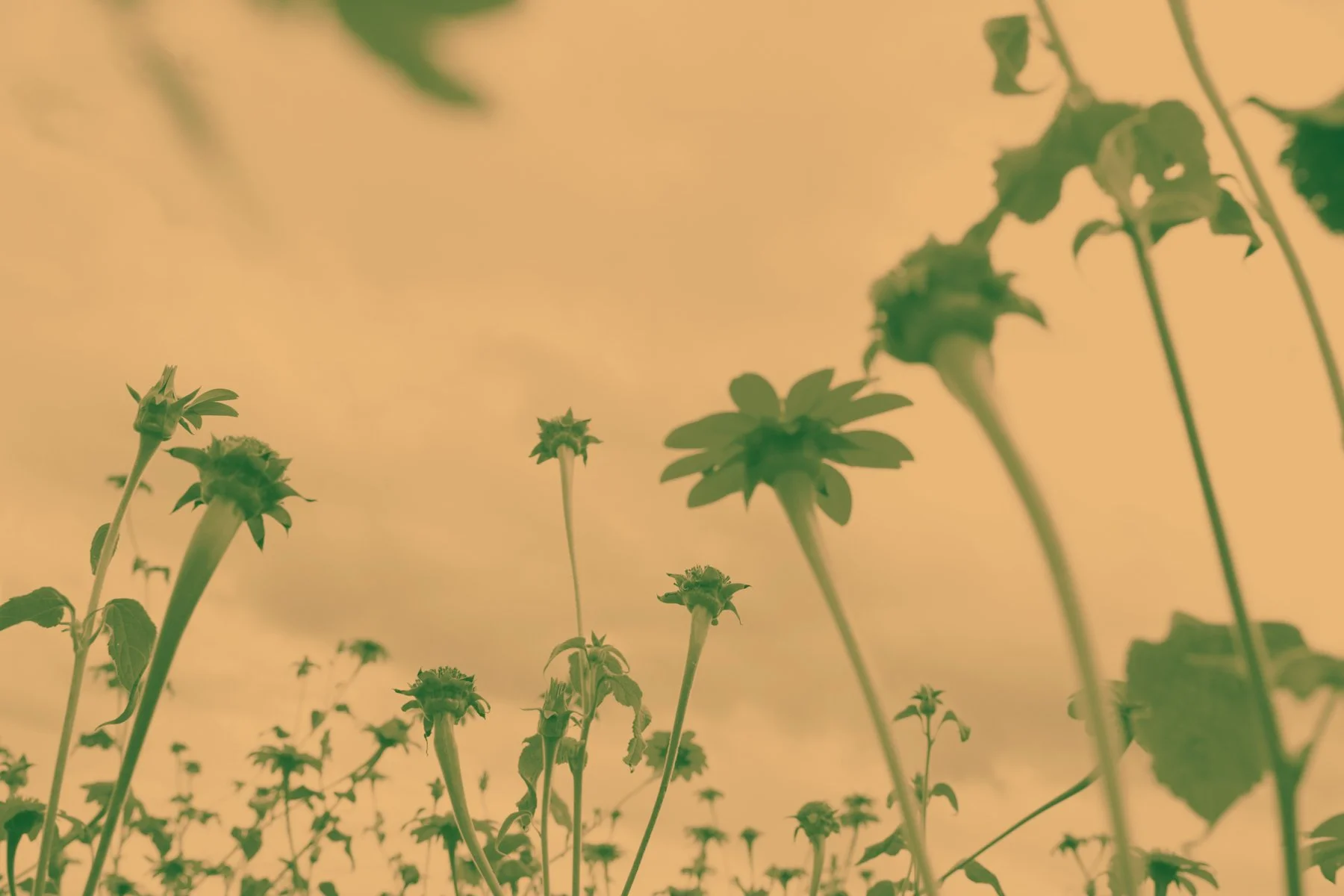
Agriculture
Worlds End is 107 acres of rocky clay soil 40 miles west of Albany, New York.
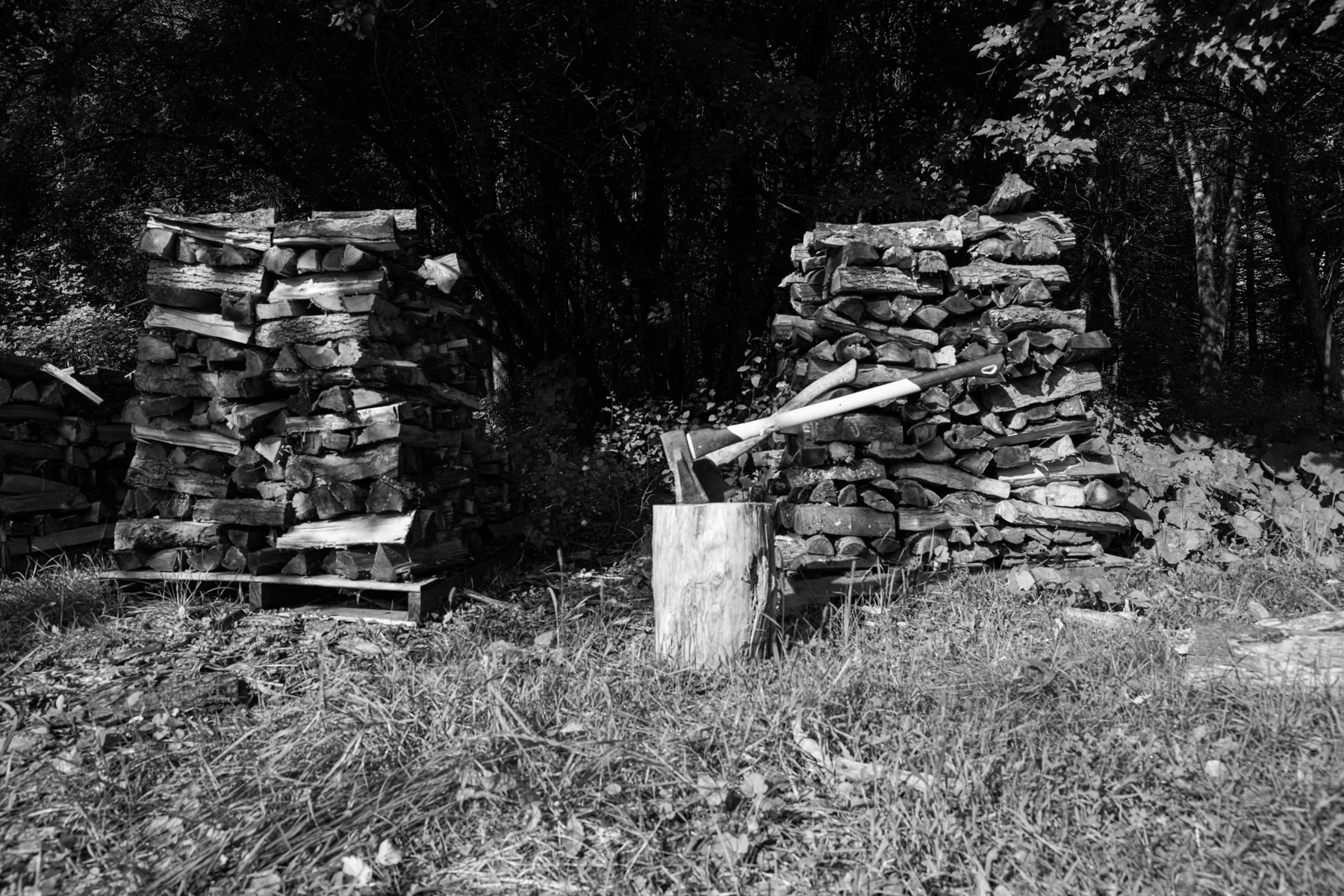
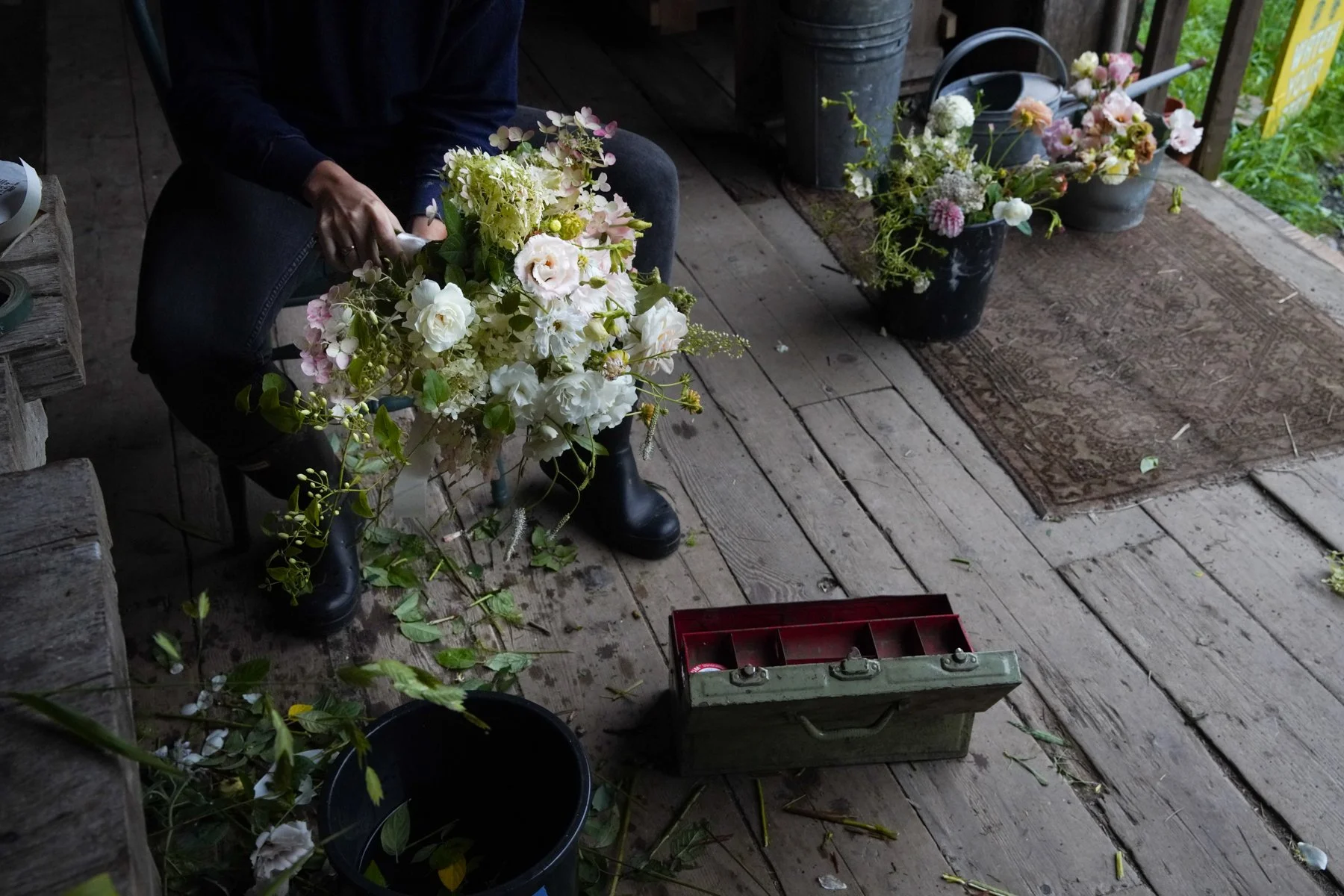
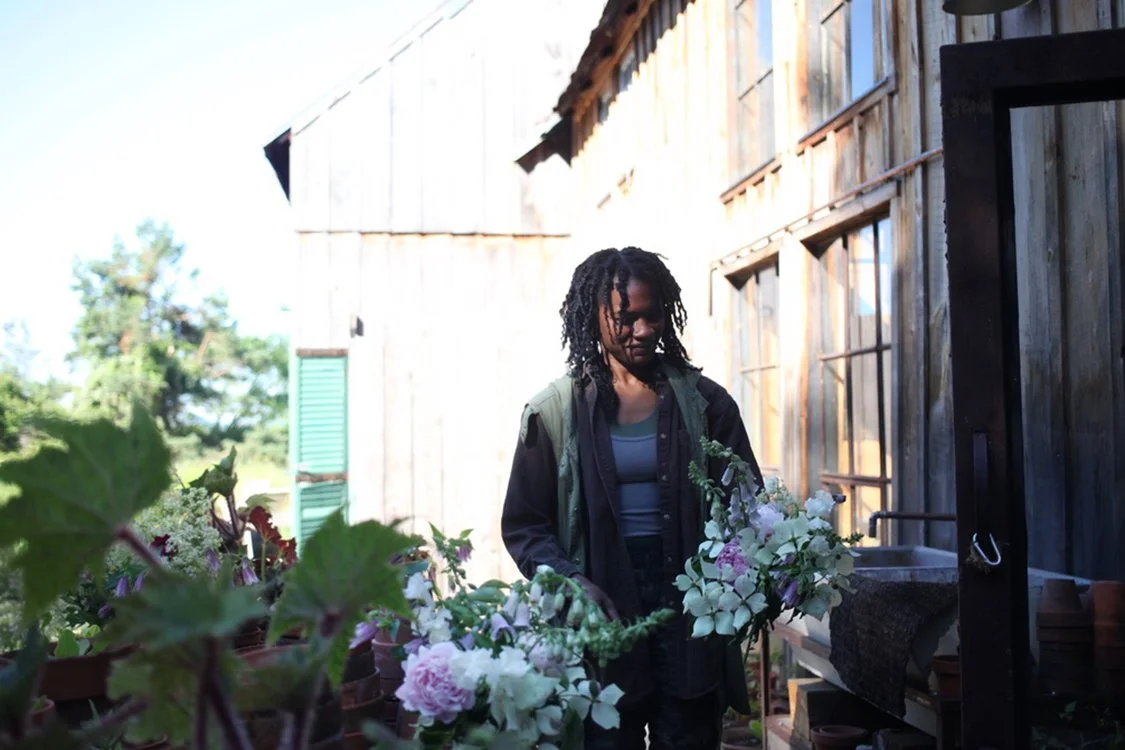
Located on ancestral Mohawk land, we are first and foremost home to several artists, writers, craftspeople and gardeners. Together with visitors and students we manage a small-scale diversified homestead farm producing food, flowers, fiber and fuel.
Visitors should arrive ready to view a living, fluid agricultural experiment.
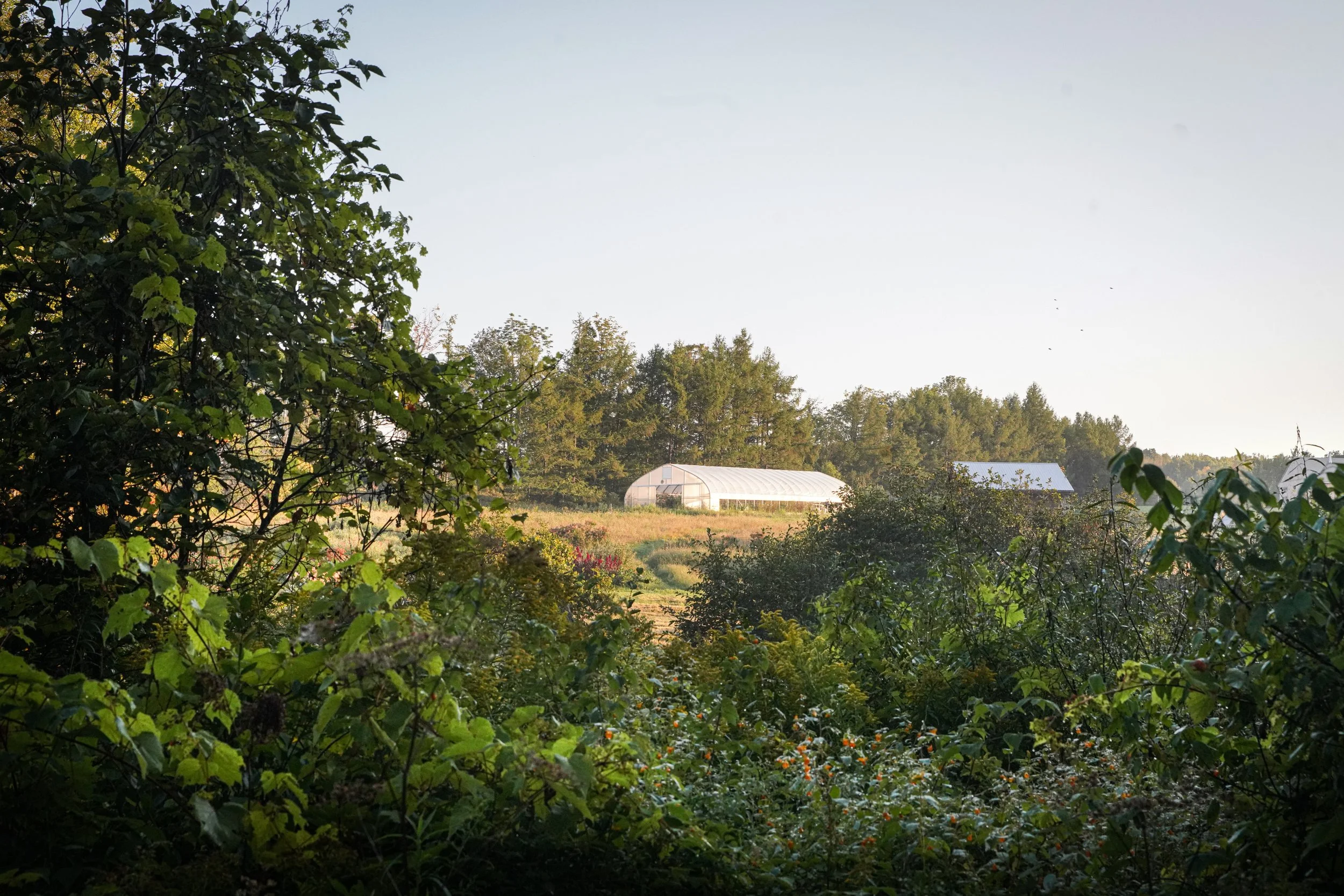
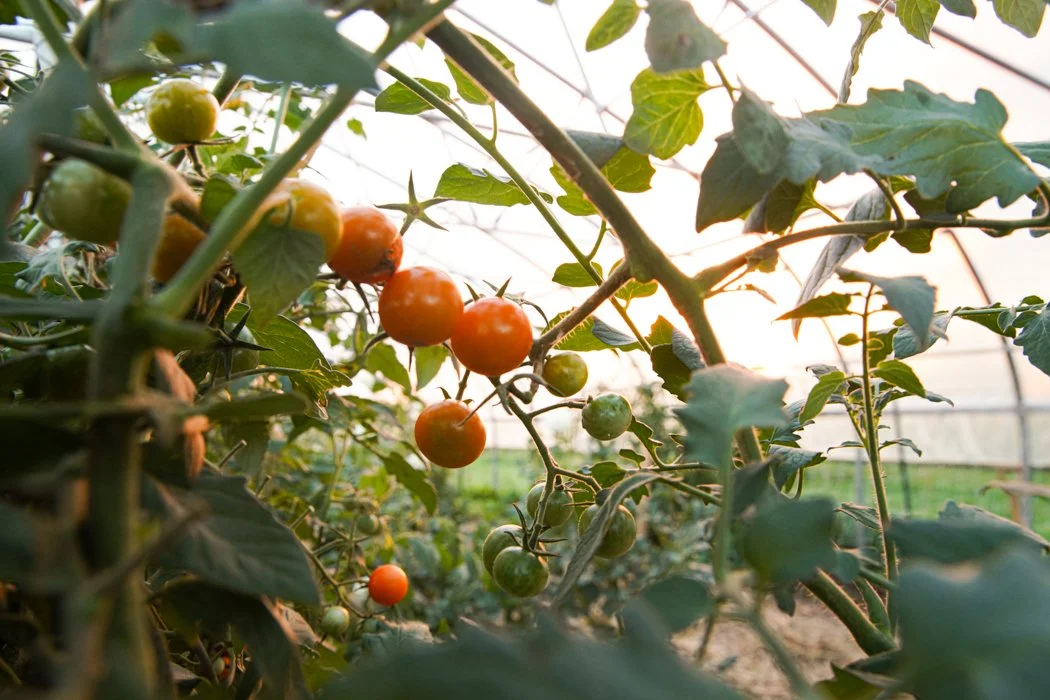
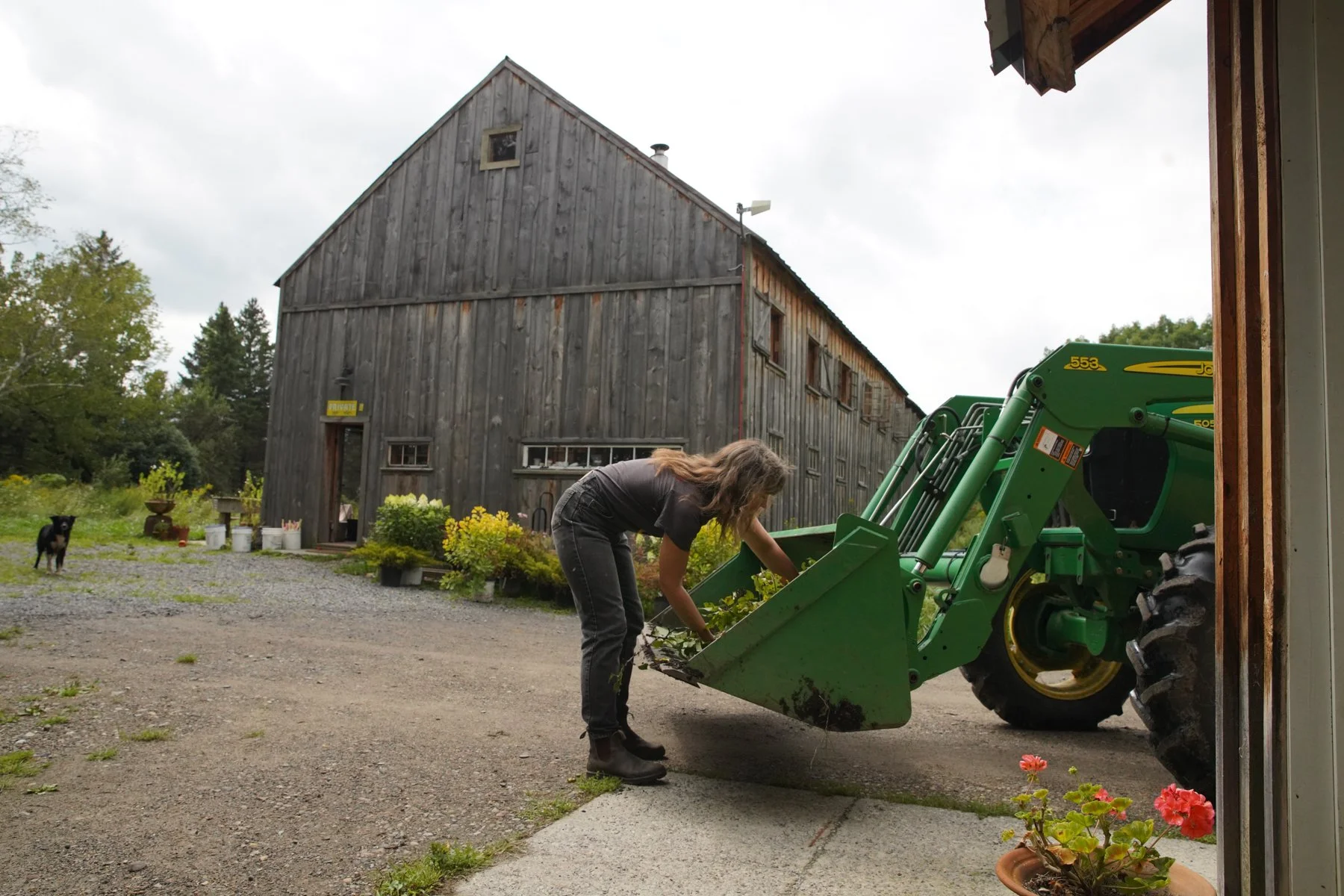
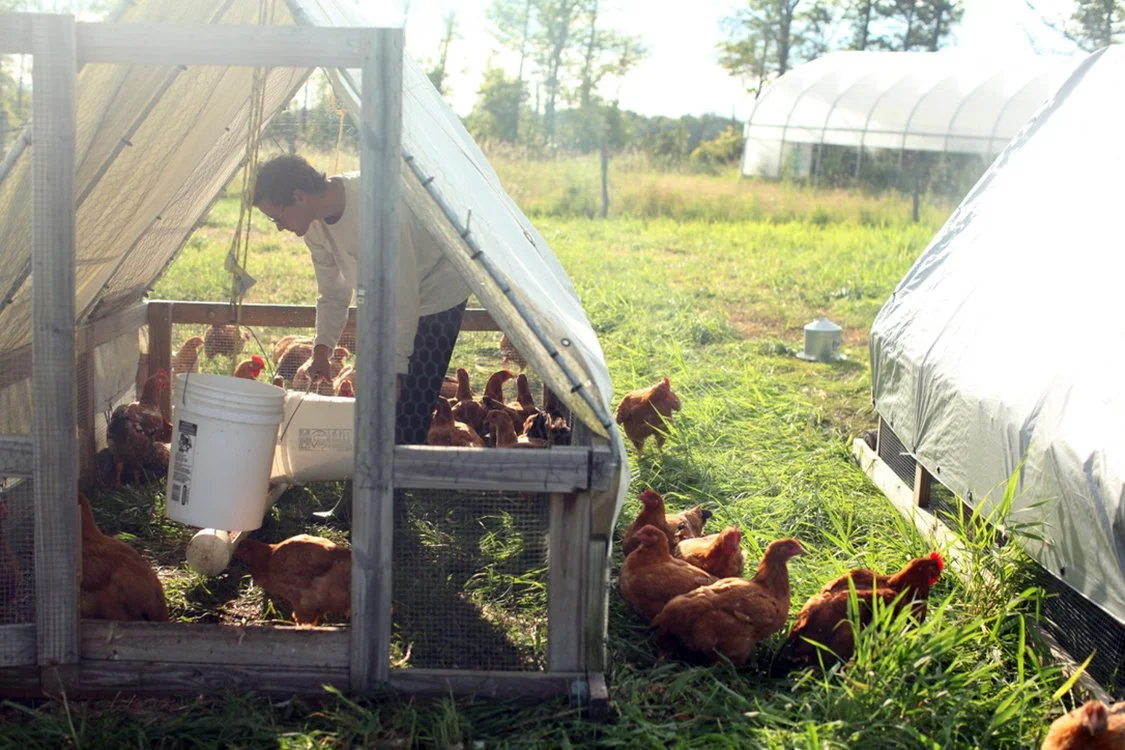
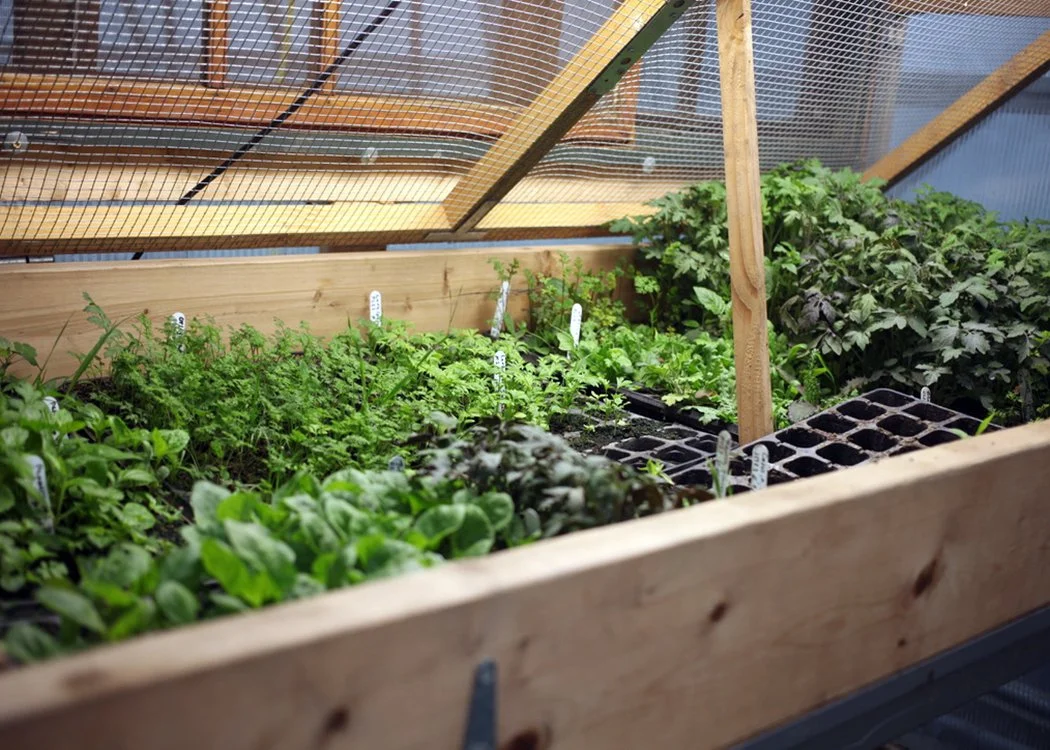
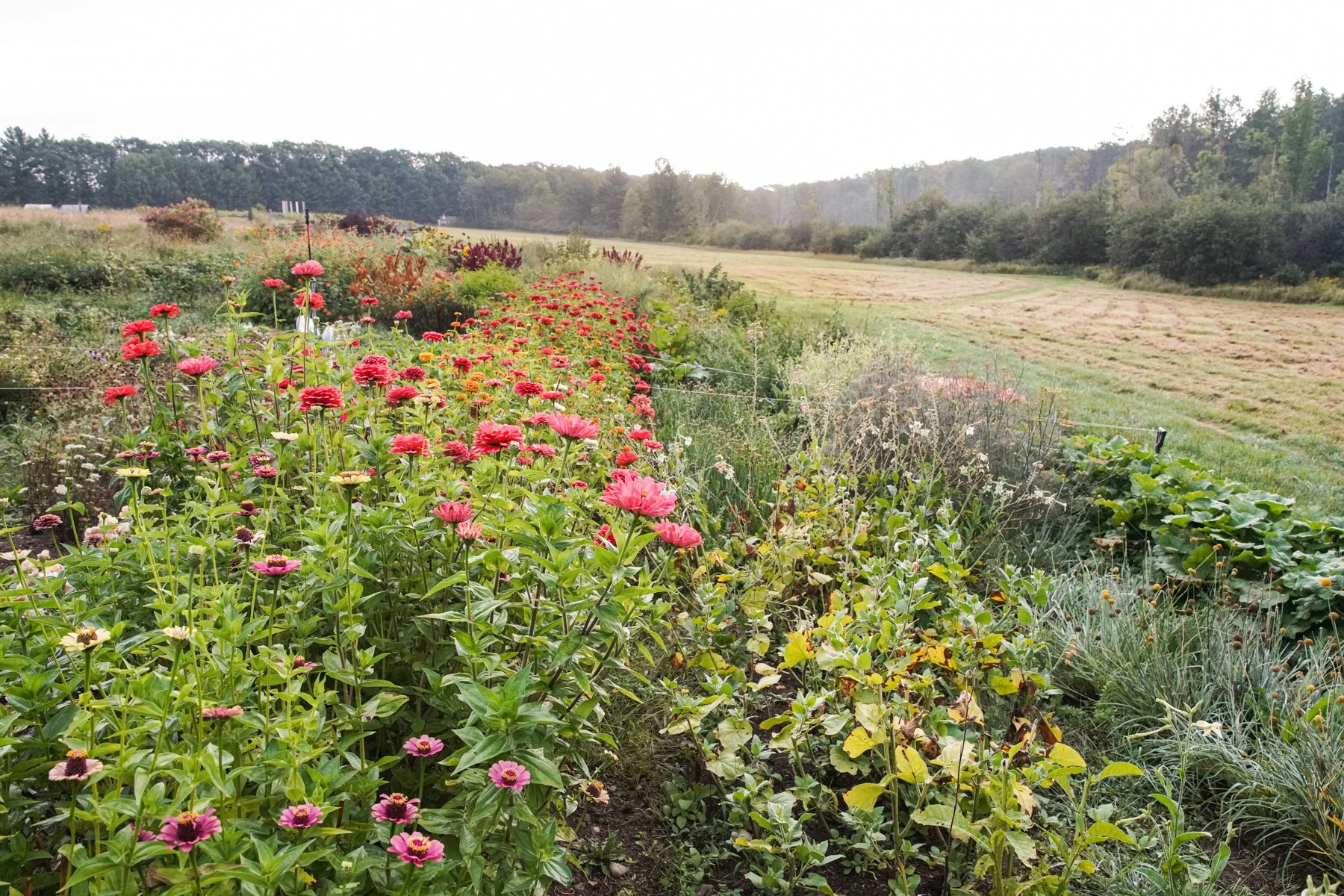
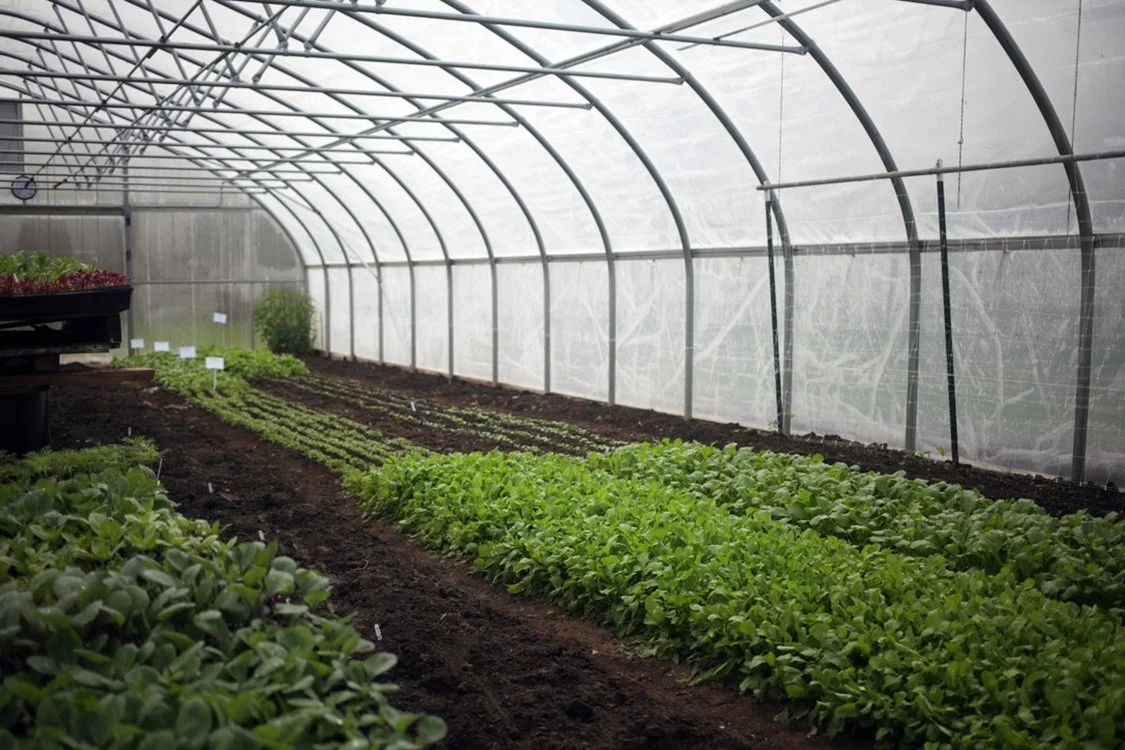
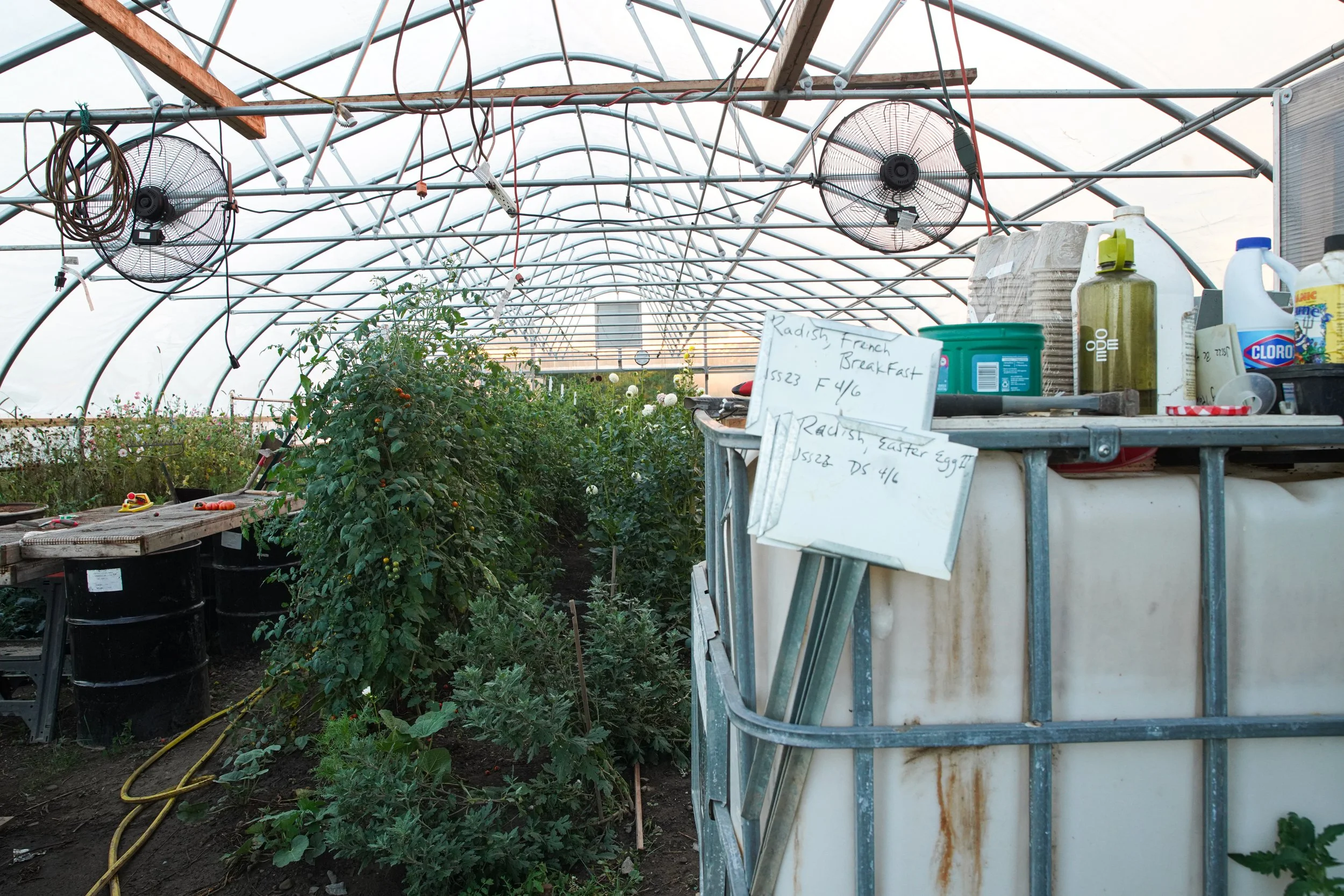
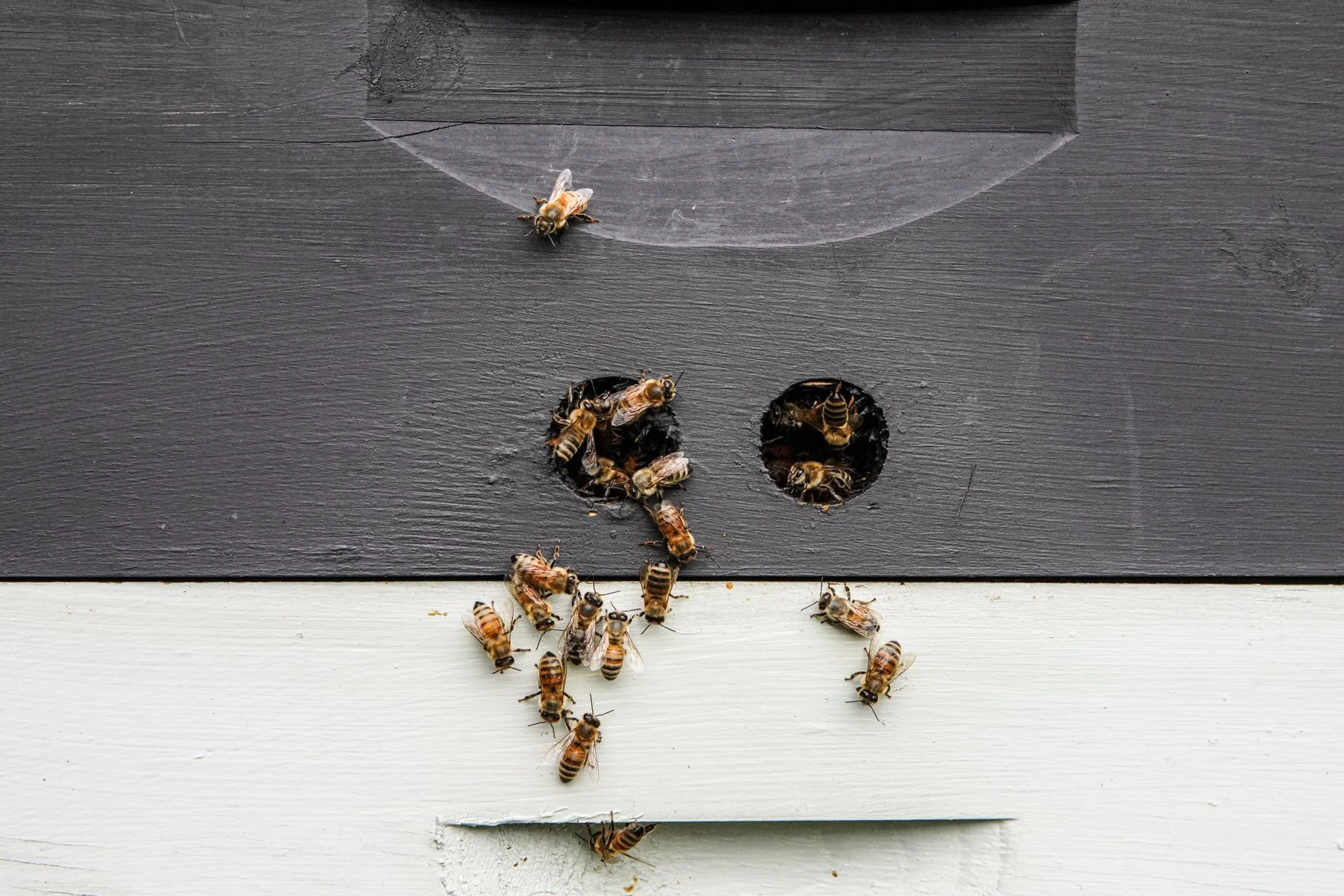
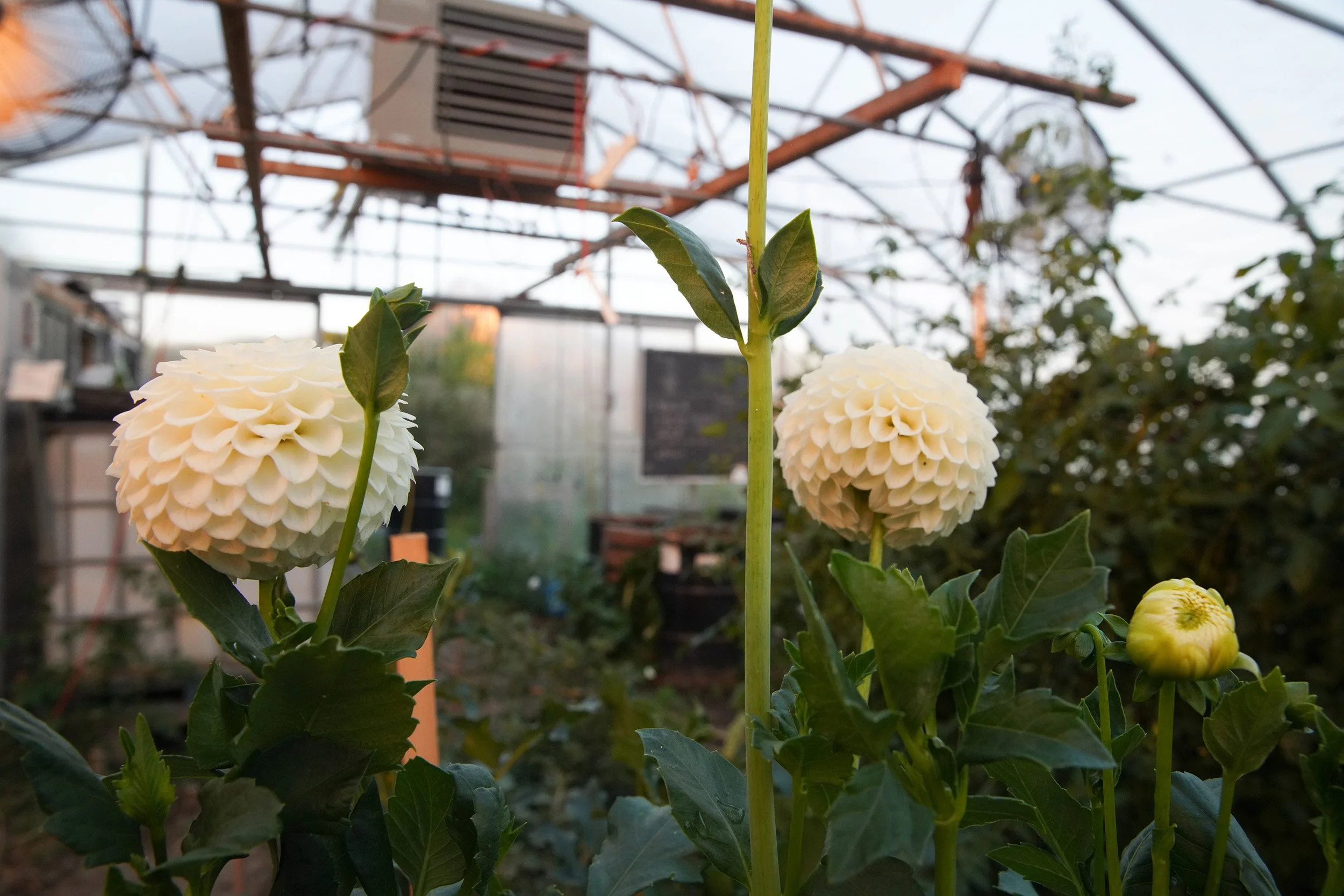
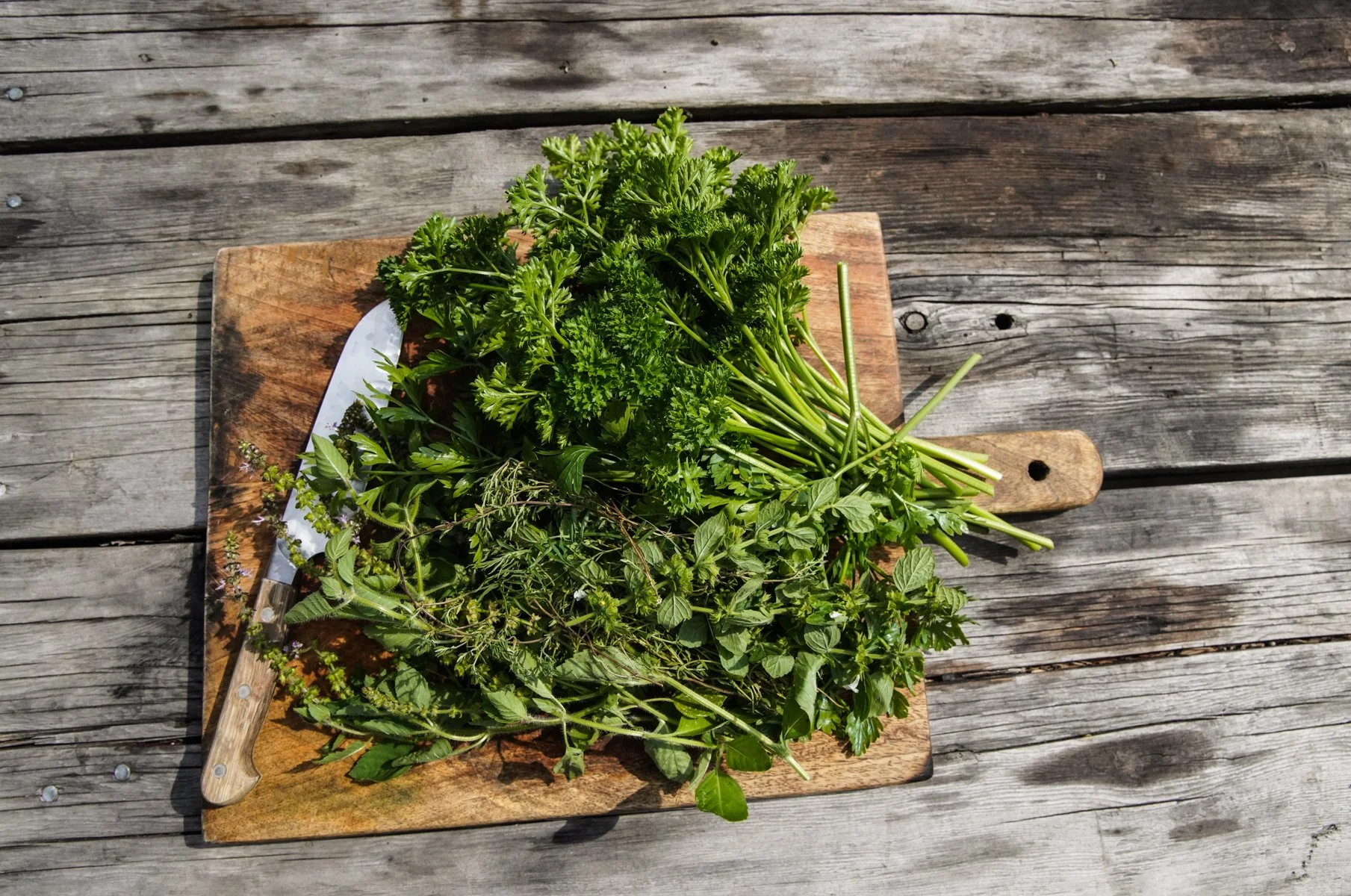
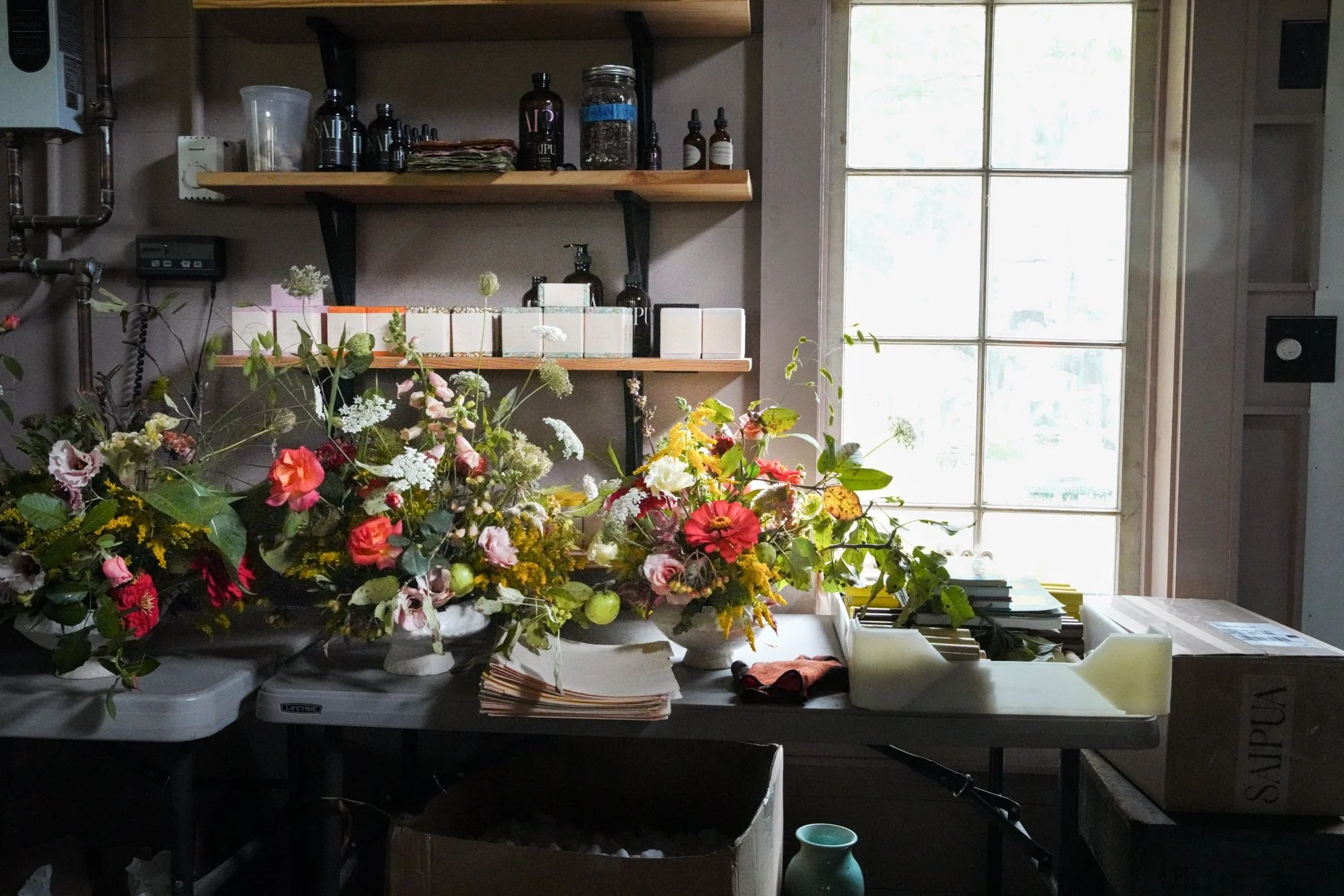
Our goal is to make the land productive for the needs of those who live and work here with close attention to the non-human ecosystem. We grow vegetables, herbs and flowers over 3 outdoor gardens and a 25x75’ heated high tunnel. All of the food and flowers we grow are consumed onsite by residents, students and visitors or traded/gifted with our neighbors for items like milk and pork from High Meadow Farm.
We aspire to a balance between purposeful work and pleasure...
Prioritizing in this way results in an experience for visitors that is creative, and at times challenges the notion of what a farm ought to be. We hope that students will leave feeling inspired to make changes in their lives and work; whether that be cooking differently or making a leap away from corporate life and into land-based work.
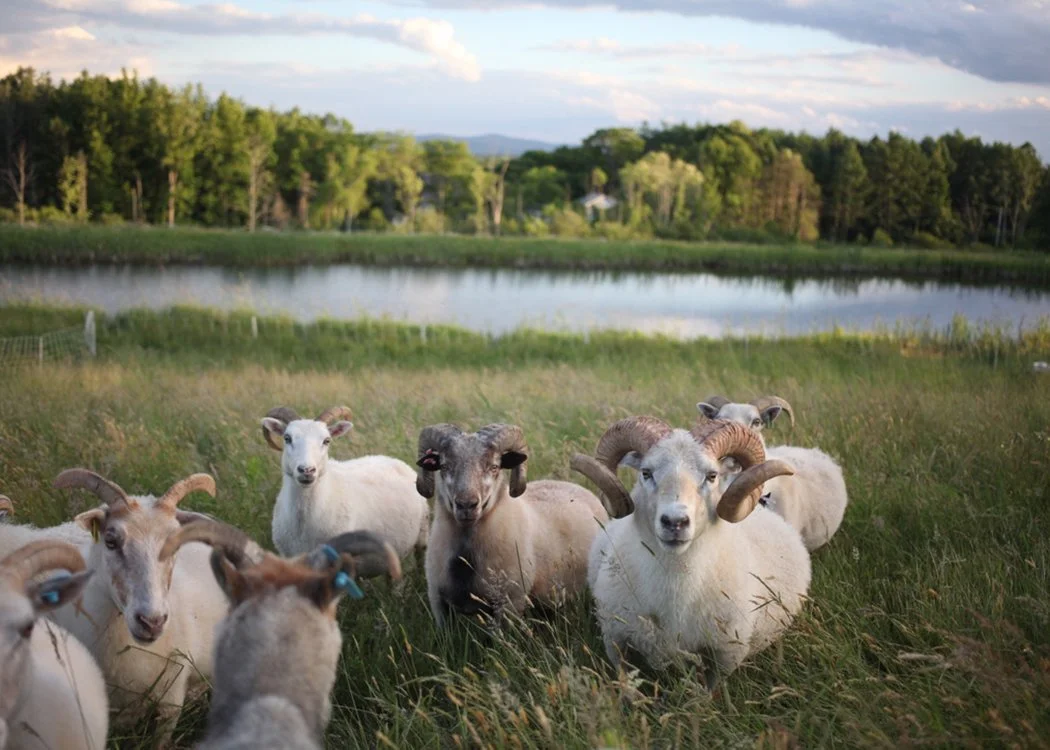
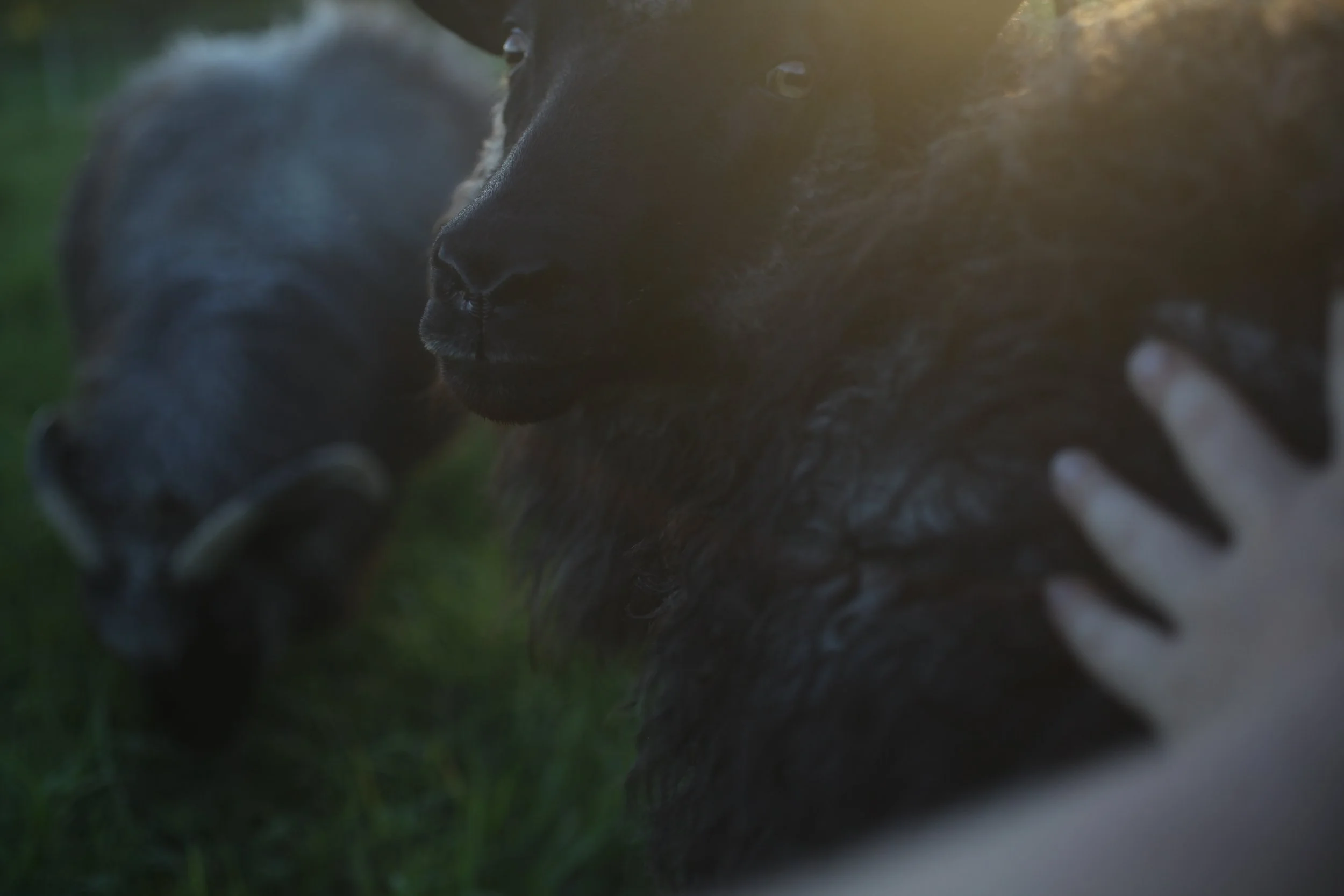
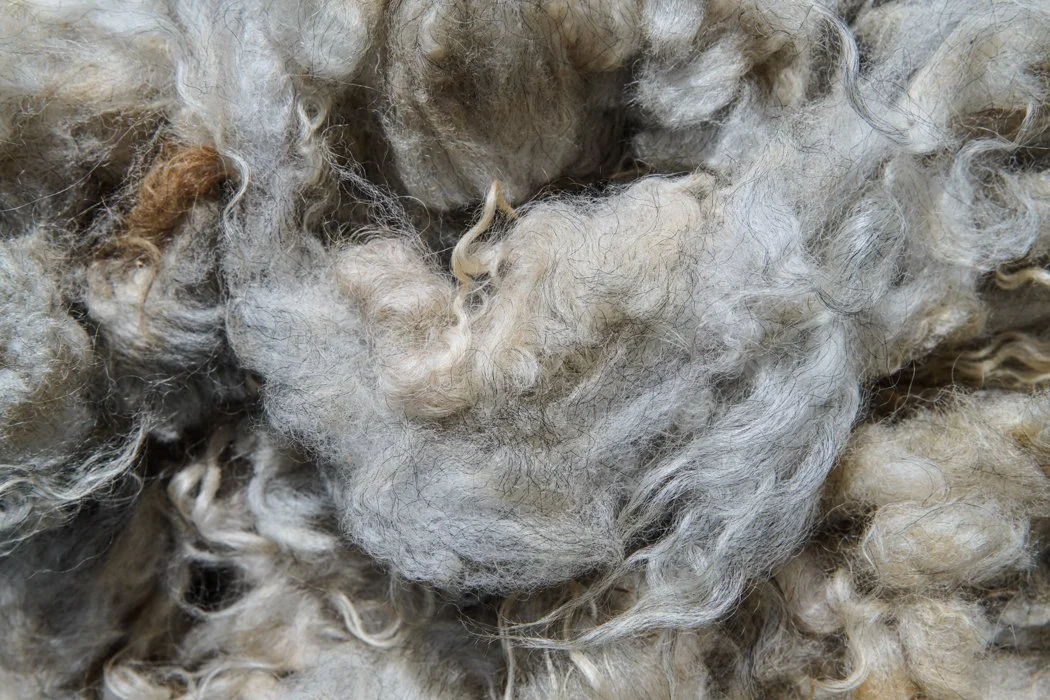
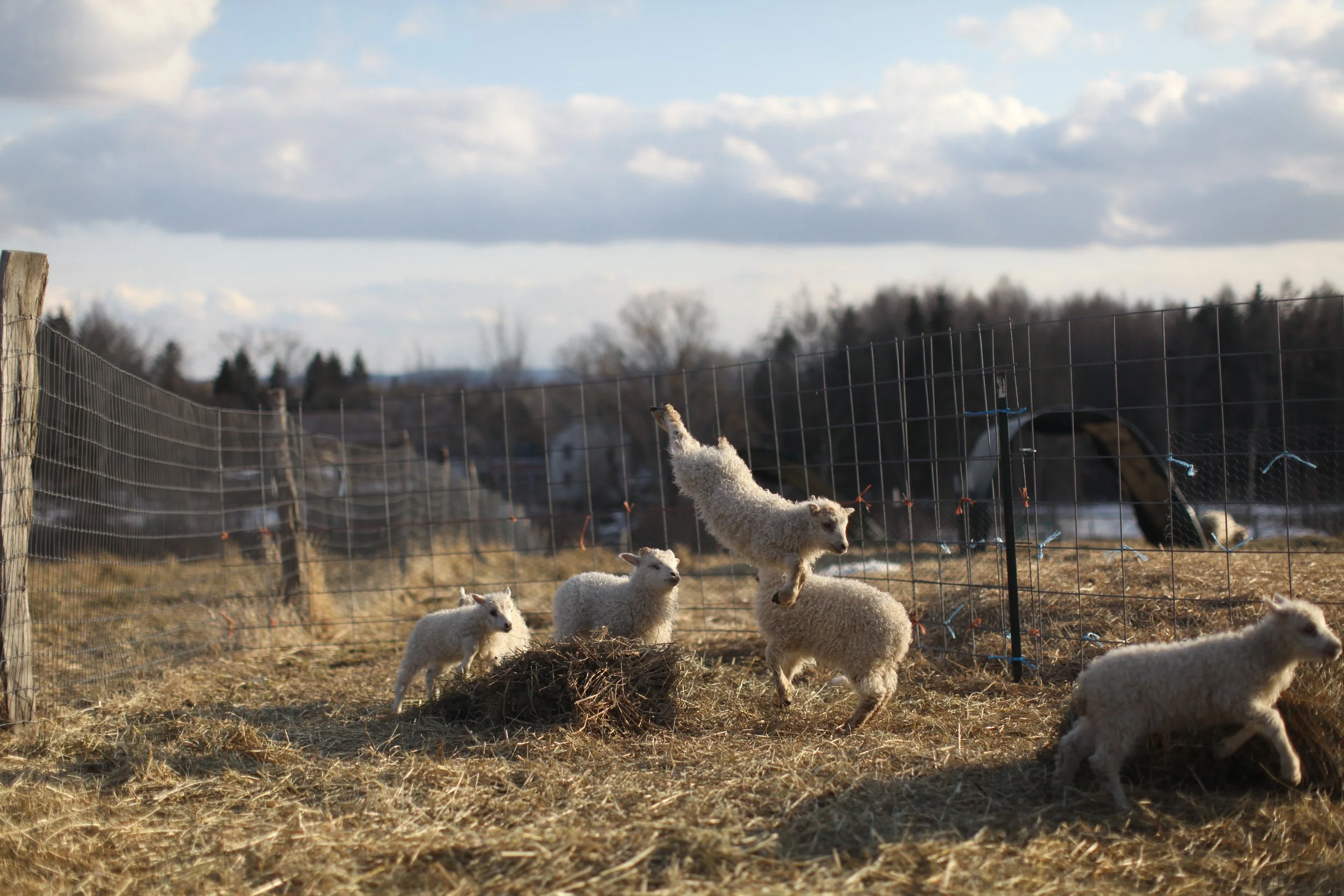
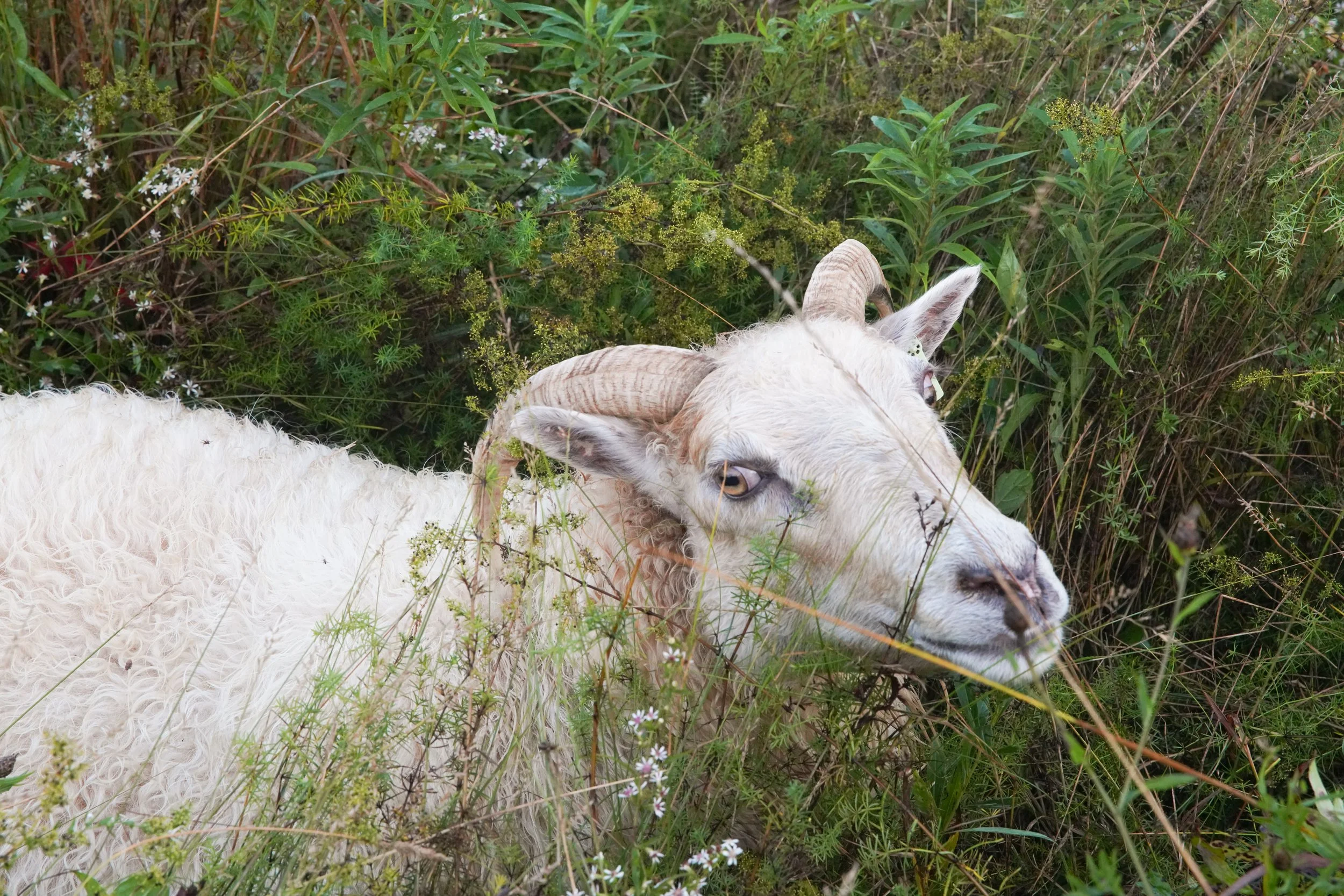
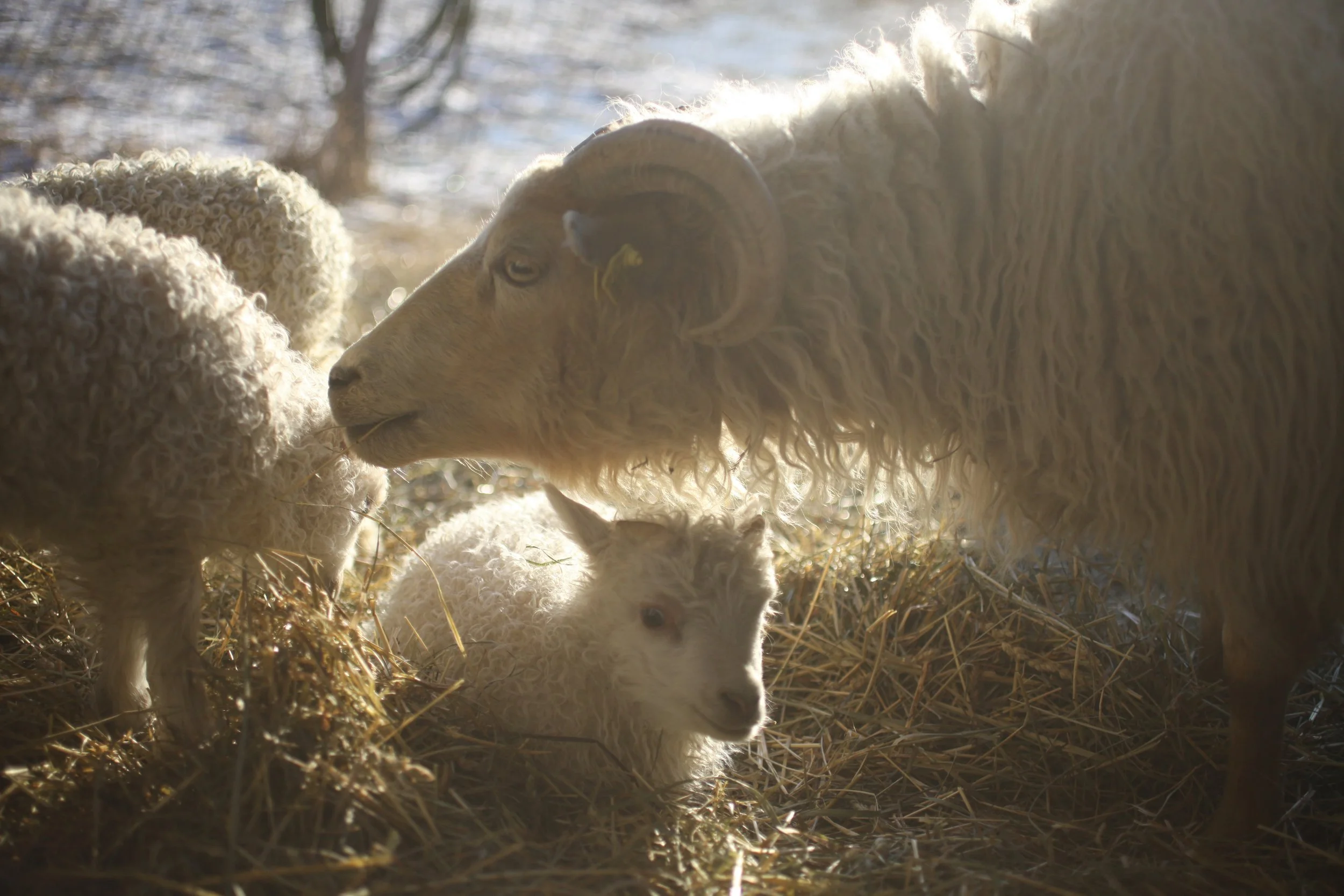
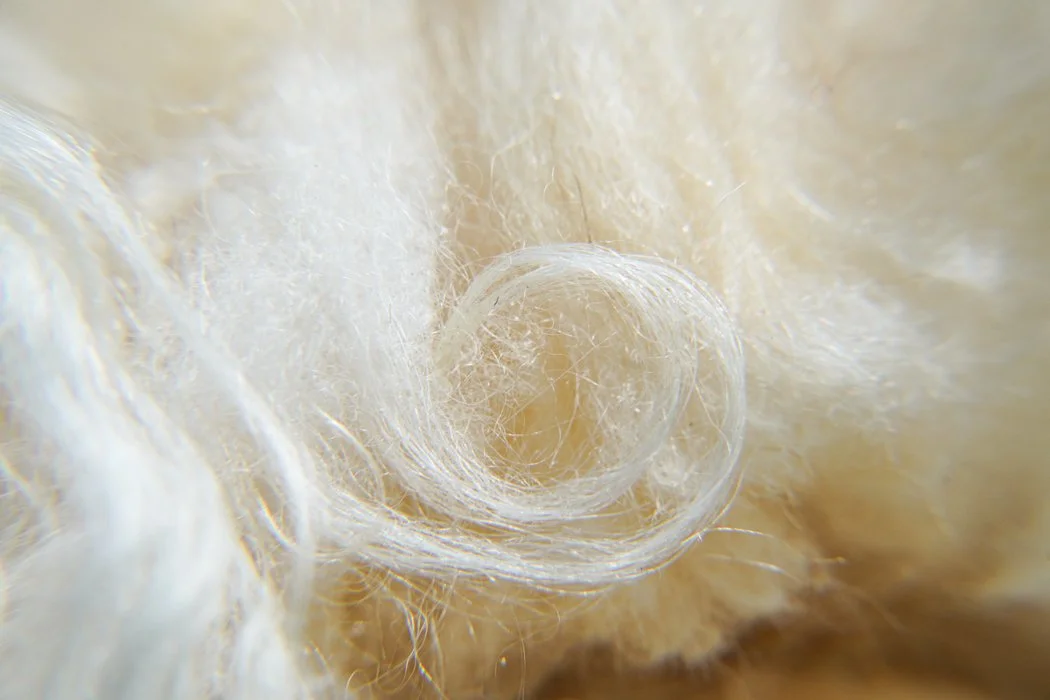
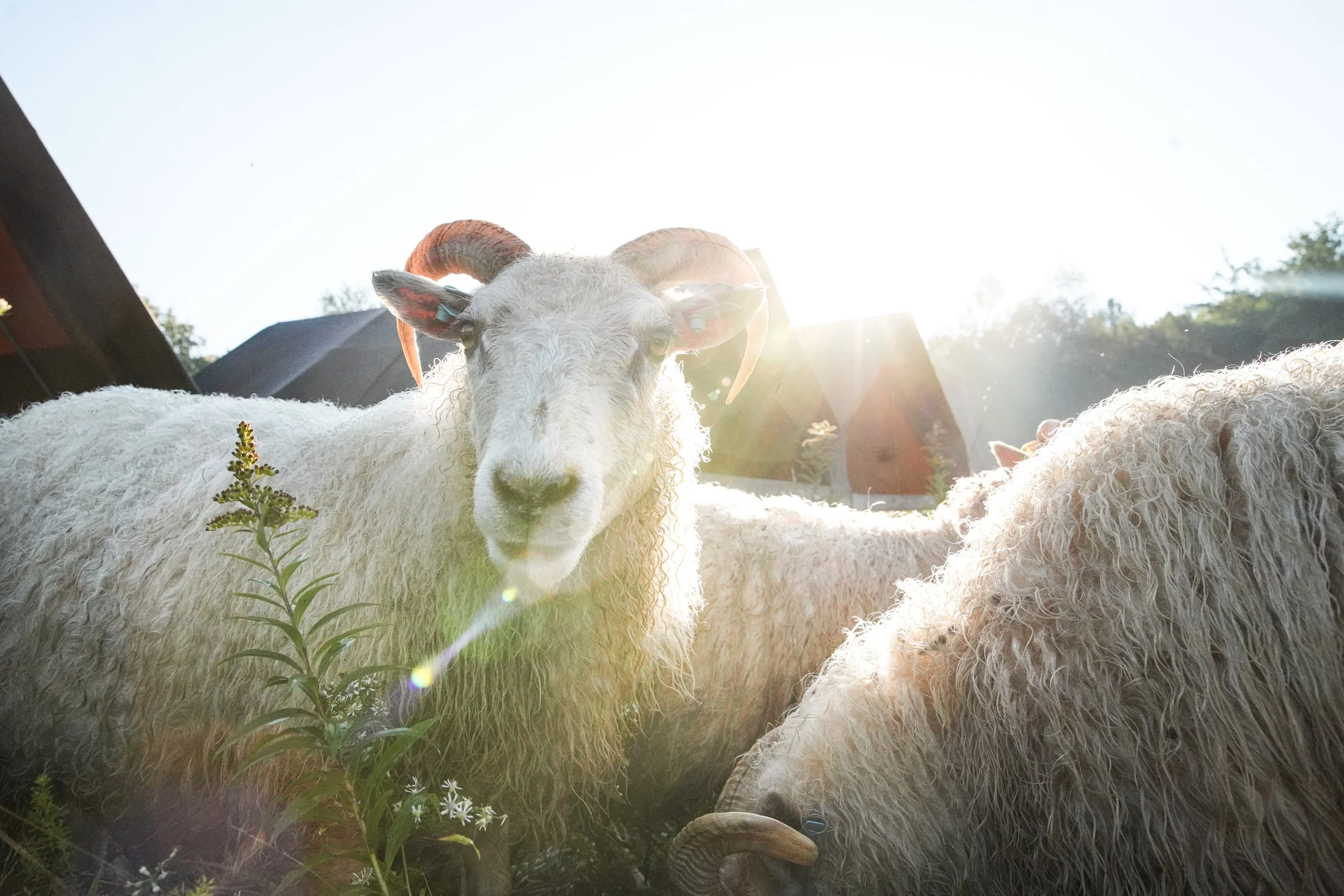
We raise purebred Icelandic sheep, primarily for wool...
There are three excellent aspects of Icelandic sheep; dual-coated colorful fleece highly sought after by fiber artists, milk with exceptional high fat content, (ideal for making cheese and yogurt), and fine boned delicate flavored lamb.
Icelandic sheep are rugged, beautiful and have good mothering skills. They are efficient ruminants and enjoy browsing (eating bushes, trees and shrubs). Traditionally pastured in summers on the rugged terrain of Iceland, this breed is instinctually thrifty and can thrive without supplemental grain.
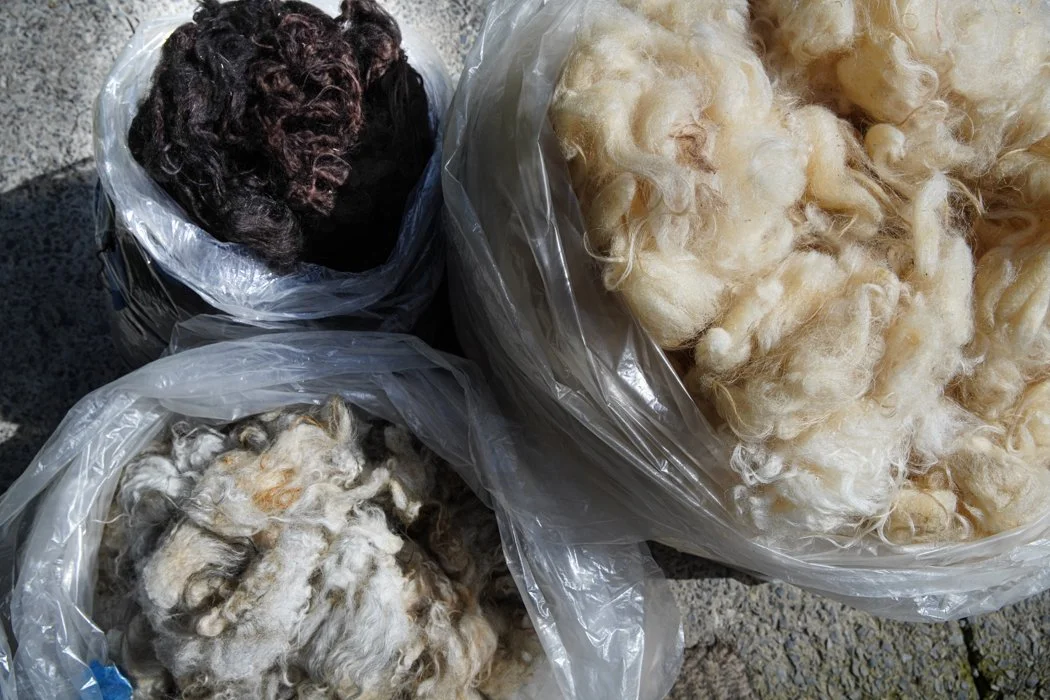
The natural colors of the fleece range from white to tan to brown, grey and black. Some Icelandic sheep are spotted. Icelandics may be horned or polled (no horns). The ram lambs mature late enough in the fall that they do not generally need to be castrated, a management advantage over other sheep breeds.
Rotational grazing...
World’s End Farm has 20 acres of pasture, over which we rotationally graze 11-40 sheep through the spring, summer and fall. Using portable, electric net fencing we practice intensive rotational grazing, in which sheep are moved to a new square of pasture every 3.5 days. After 3 months, sheep may return to land grazed earlier in the season.
Intensive rotational grazing is healthy for the sheep and for the land. It allows the pasture to reach its maximum potential through the gentle mowing, distribution of manure, and hoof imprints of the flock. Moving sheep in this way improves pasture year after year and keeps intestinal parasites at bay so no deworming is needed.
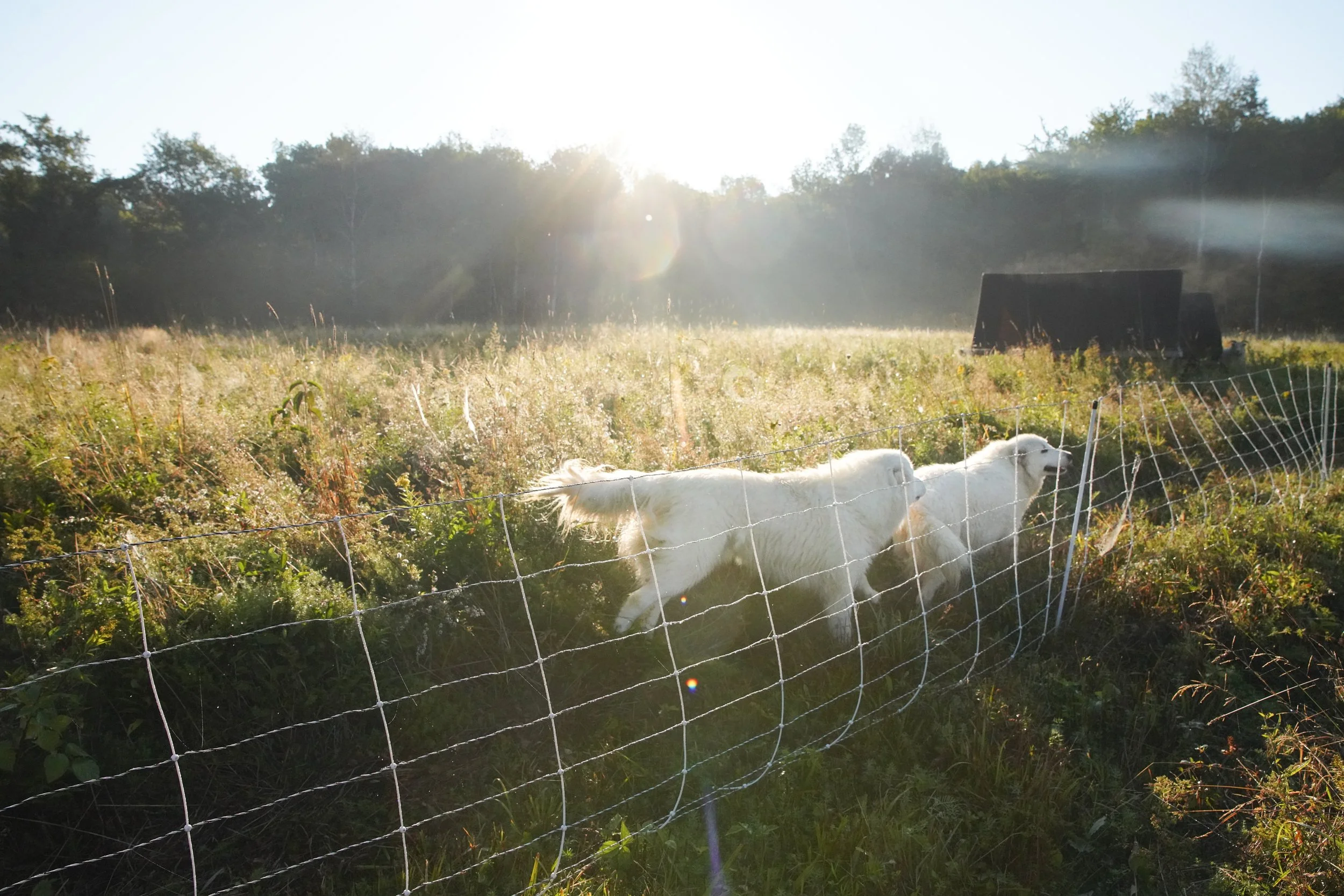
With hundreds of acres of woods surrounding our pastures, the coyote pressure here is high. We run two livestock guardian dogs in with our sheep. These Maremmas (Donnie and Nola) live with the sheep 365 days a year and patrol the perimeter of the pastures at night barking and deterring coyotes, other predators (falcons, wolves) and also the passing rabbit and deer. These working dogs are friend to humans but often suspicious at first. It is best to always approach the sheep with a member of our team as they get to know you.
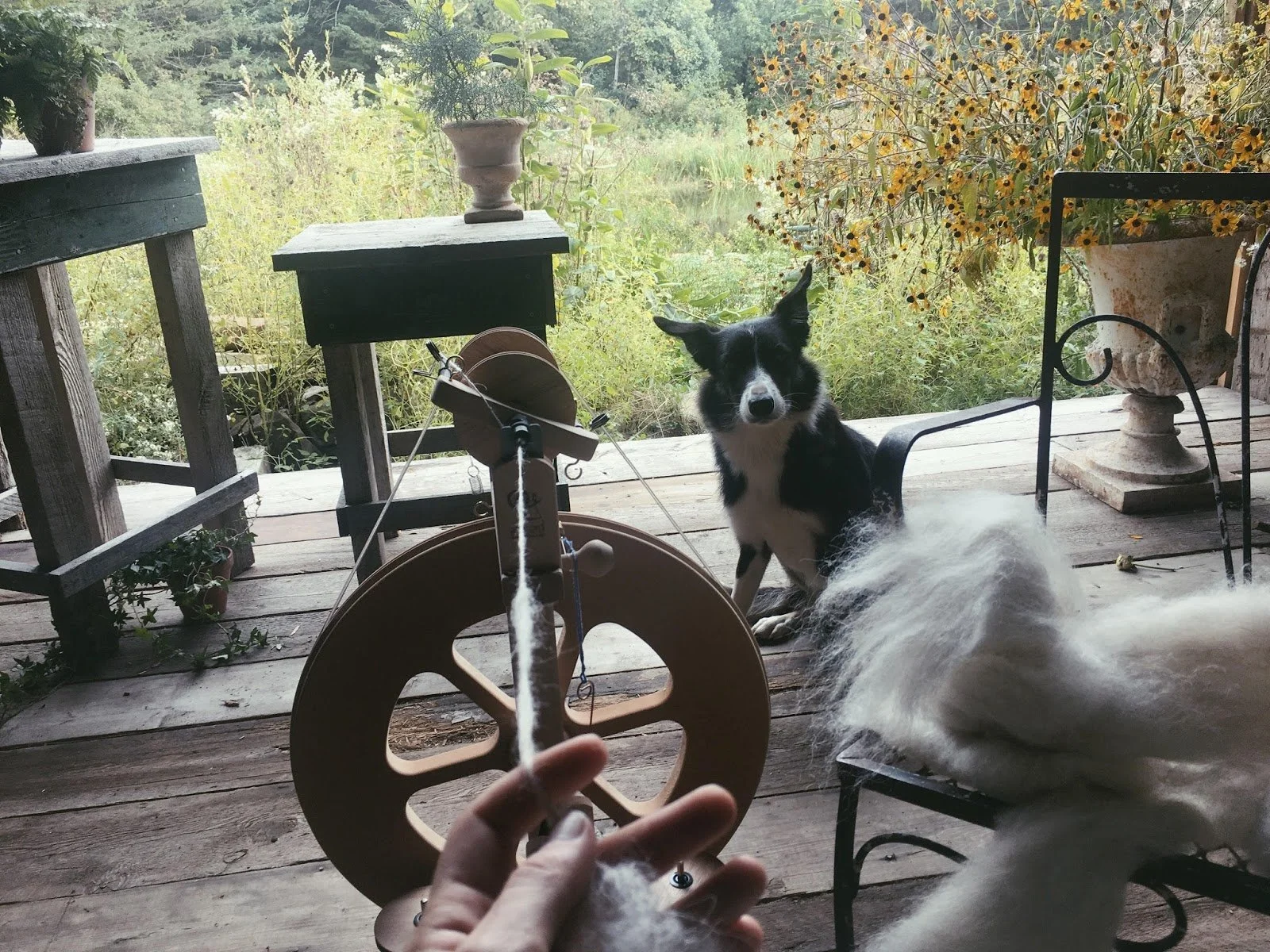
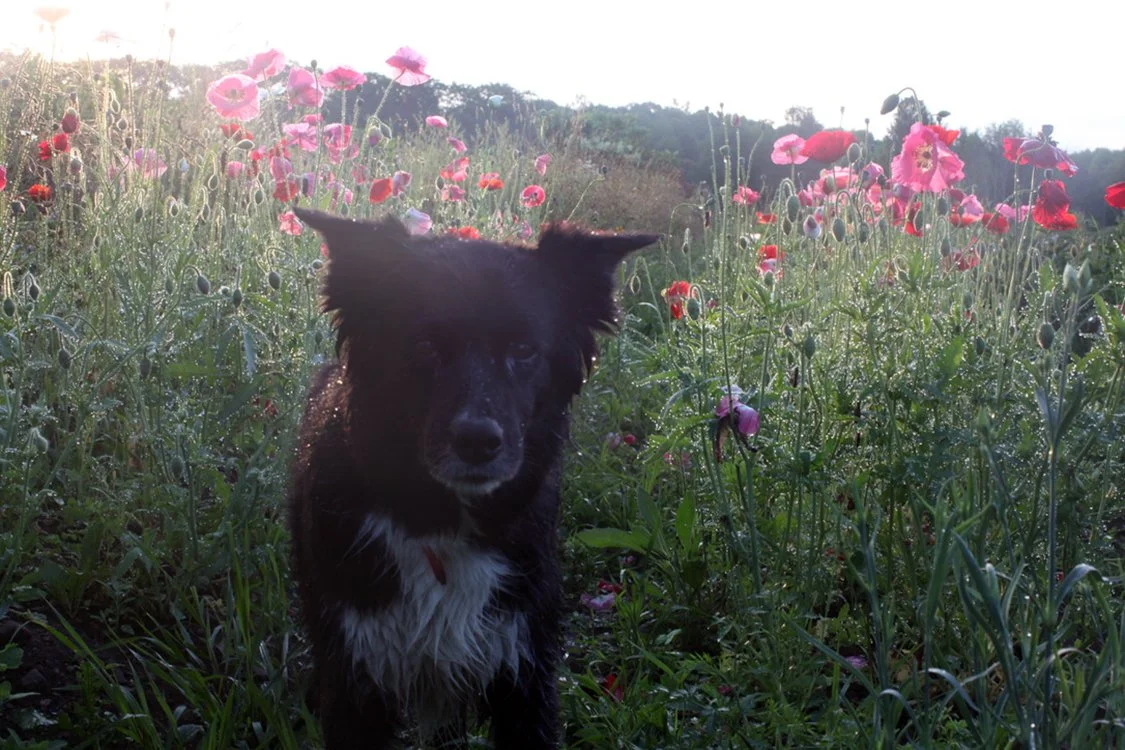
Another working dog, Tess (or ‘Tuna’) lives at the farm and is used as a herding companion. Tess can (most of the time) follow commands to move the sheep across pastures when needed or to round up sheep who have escaped.
Craft
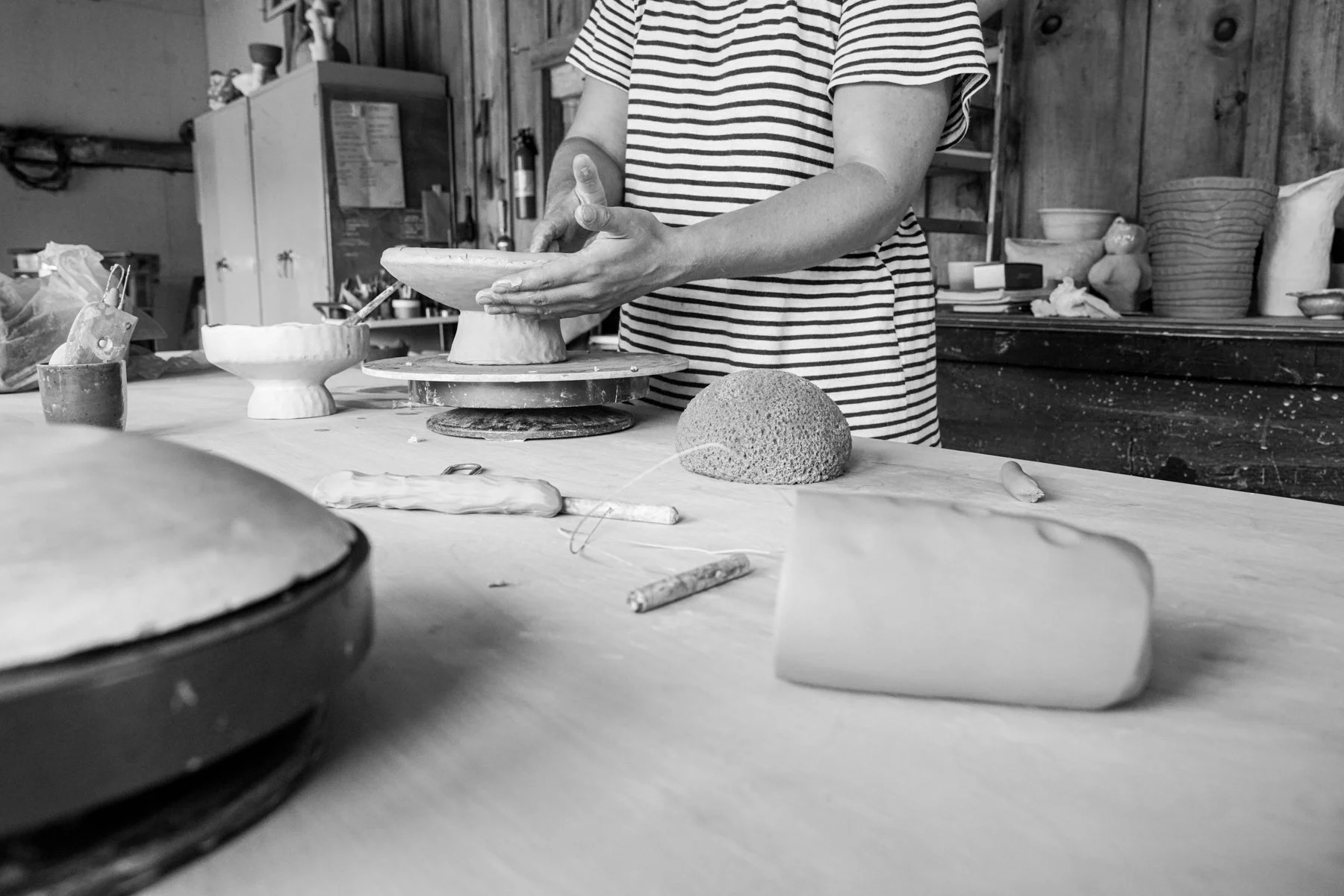
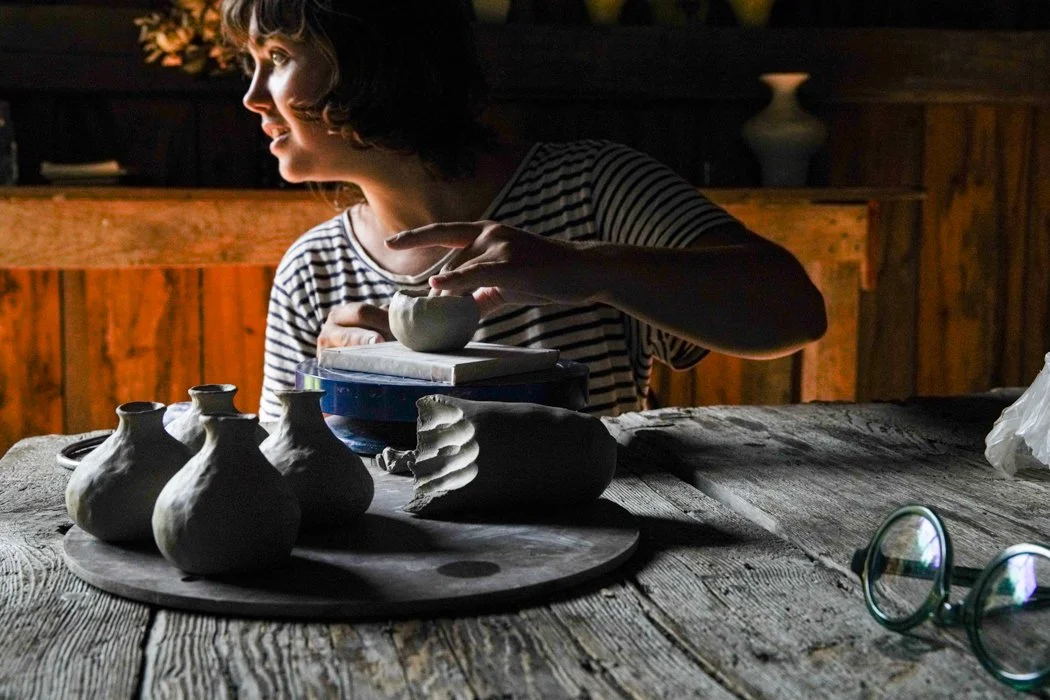
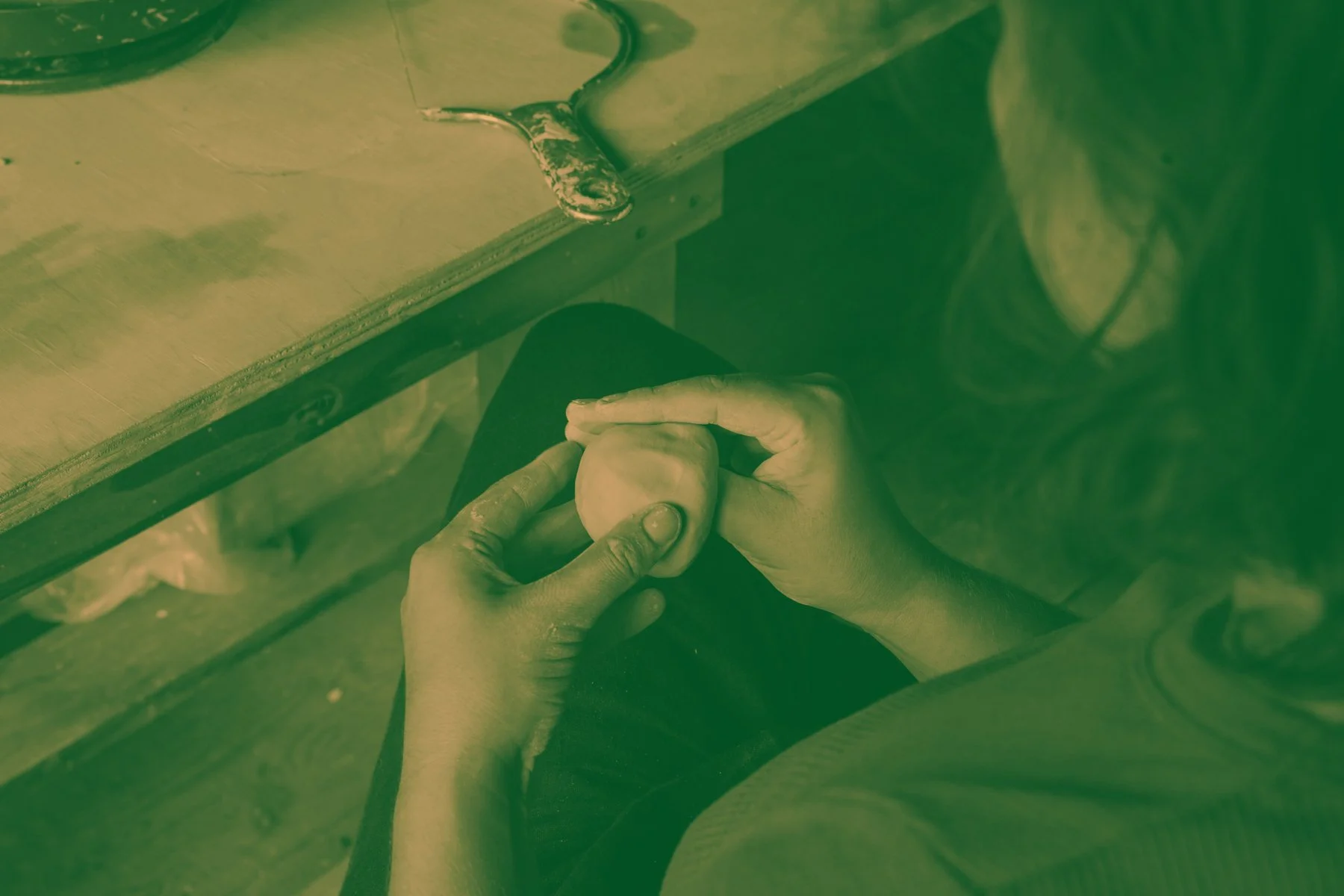
The experience of making something yourself that you can use every day is transformative...
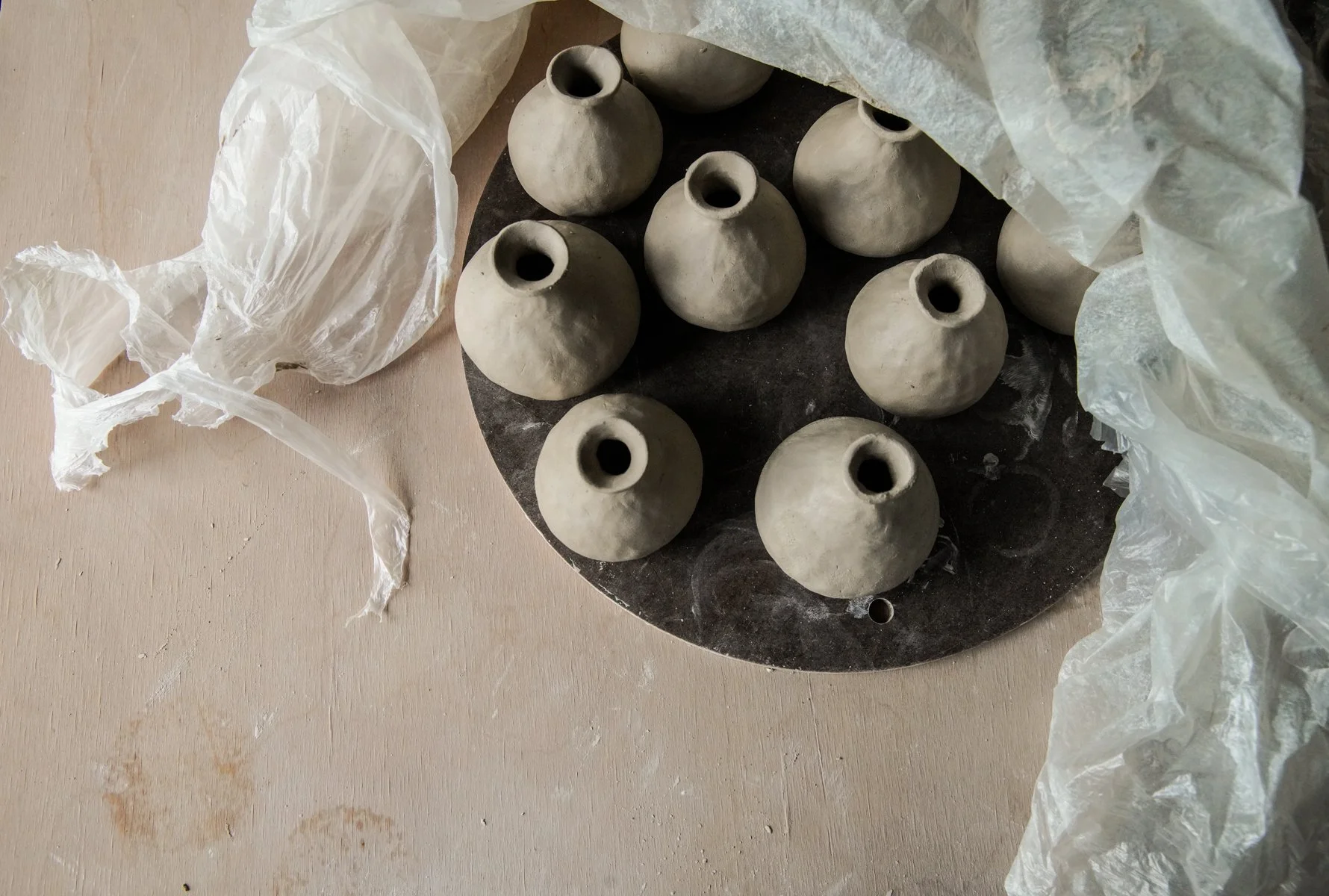
If you were to make your own coffee mug, sweater, table, basket, bread, tools, instruments...how would you do it? Where would you get the materials from, and who would you meet along the way? Then, how would you want it to look, to feel?
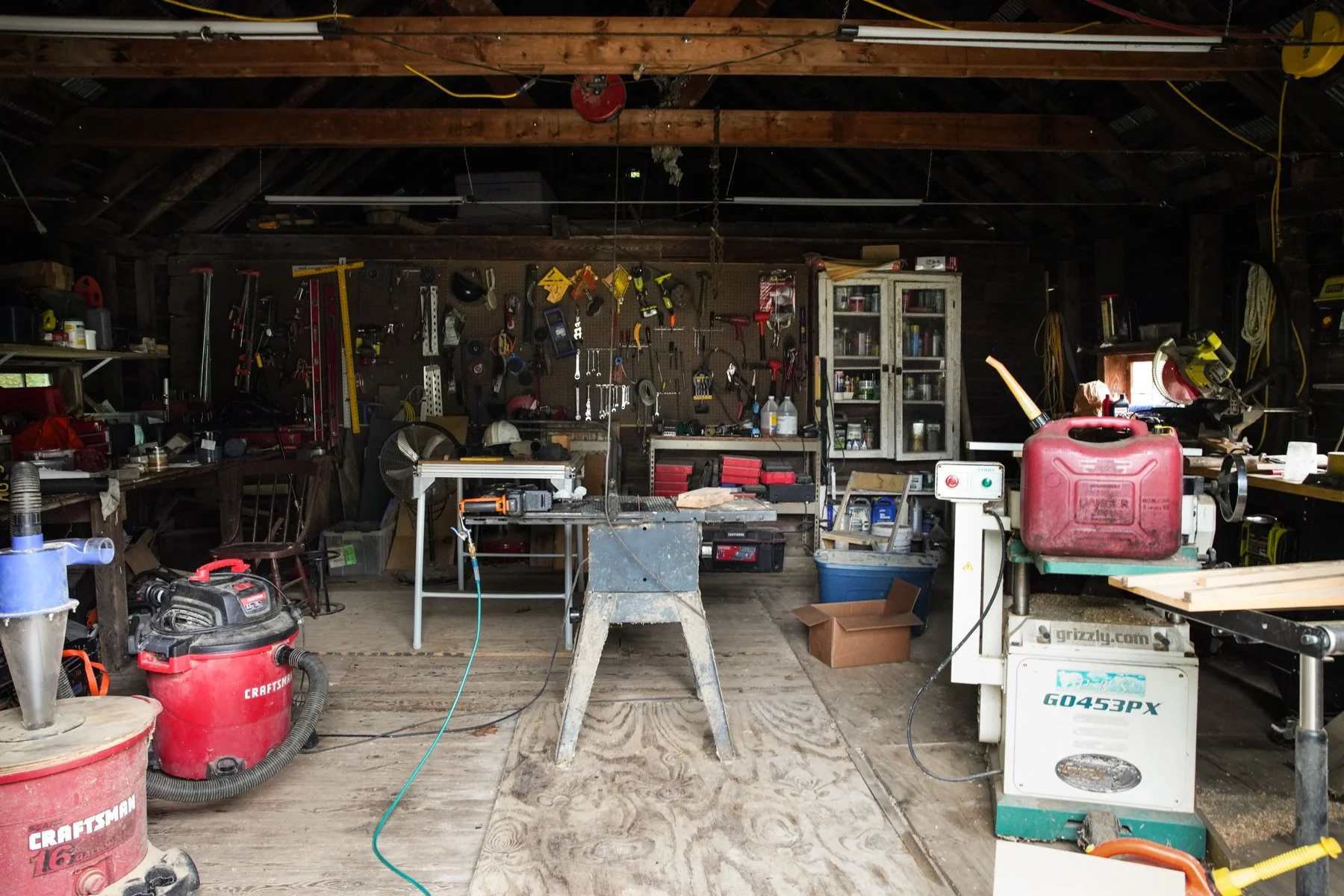
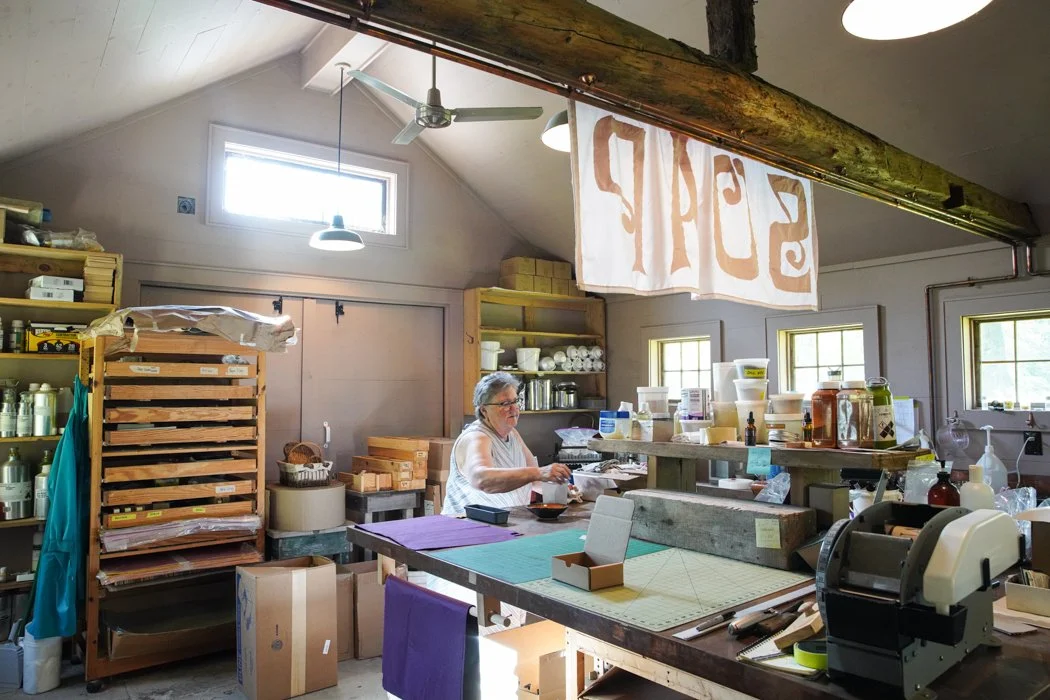
This is the collaborative, craft work of worlds end school...
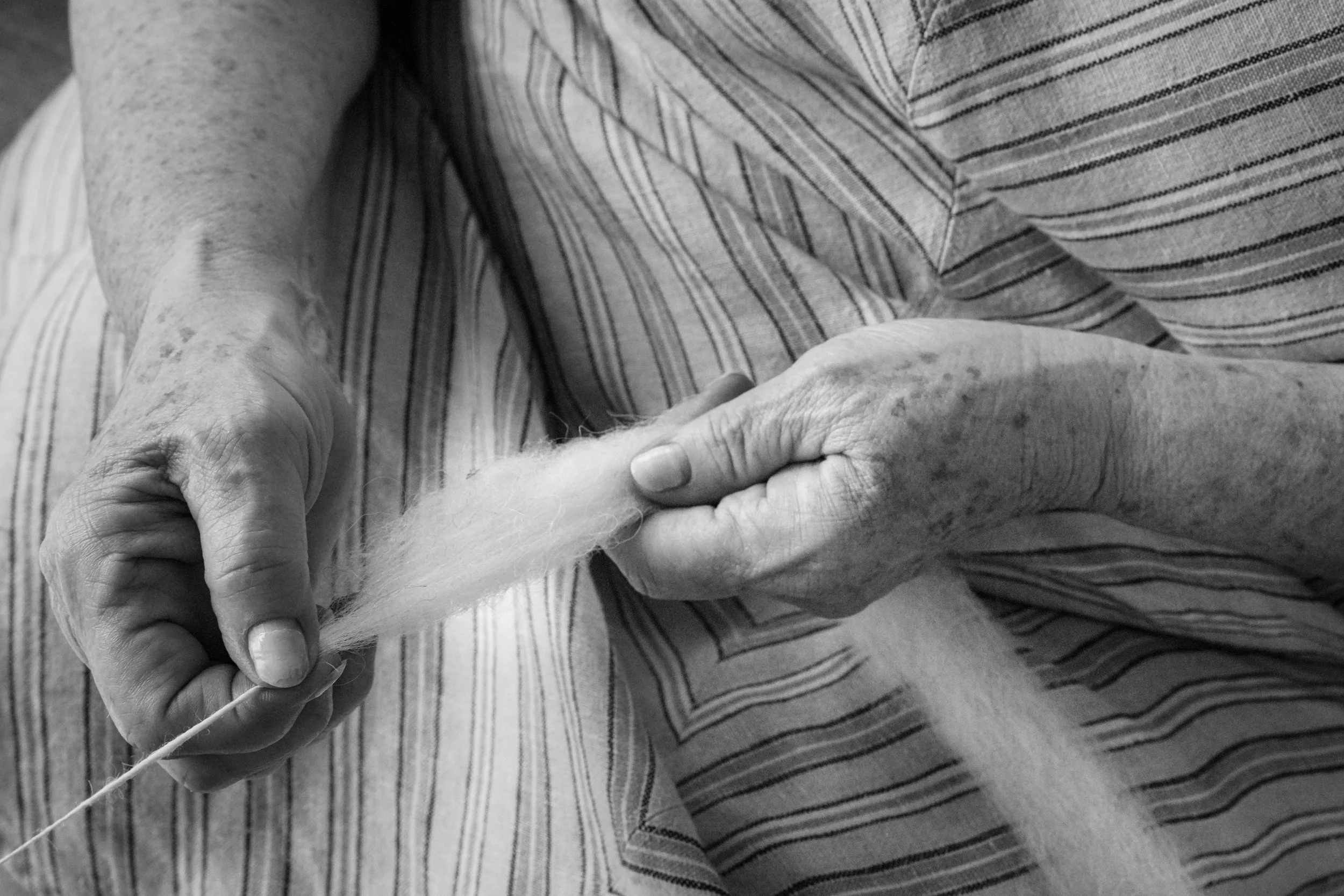
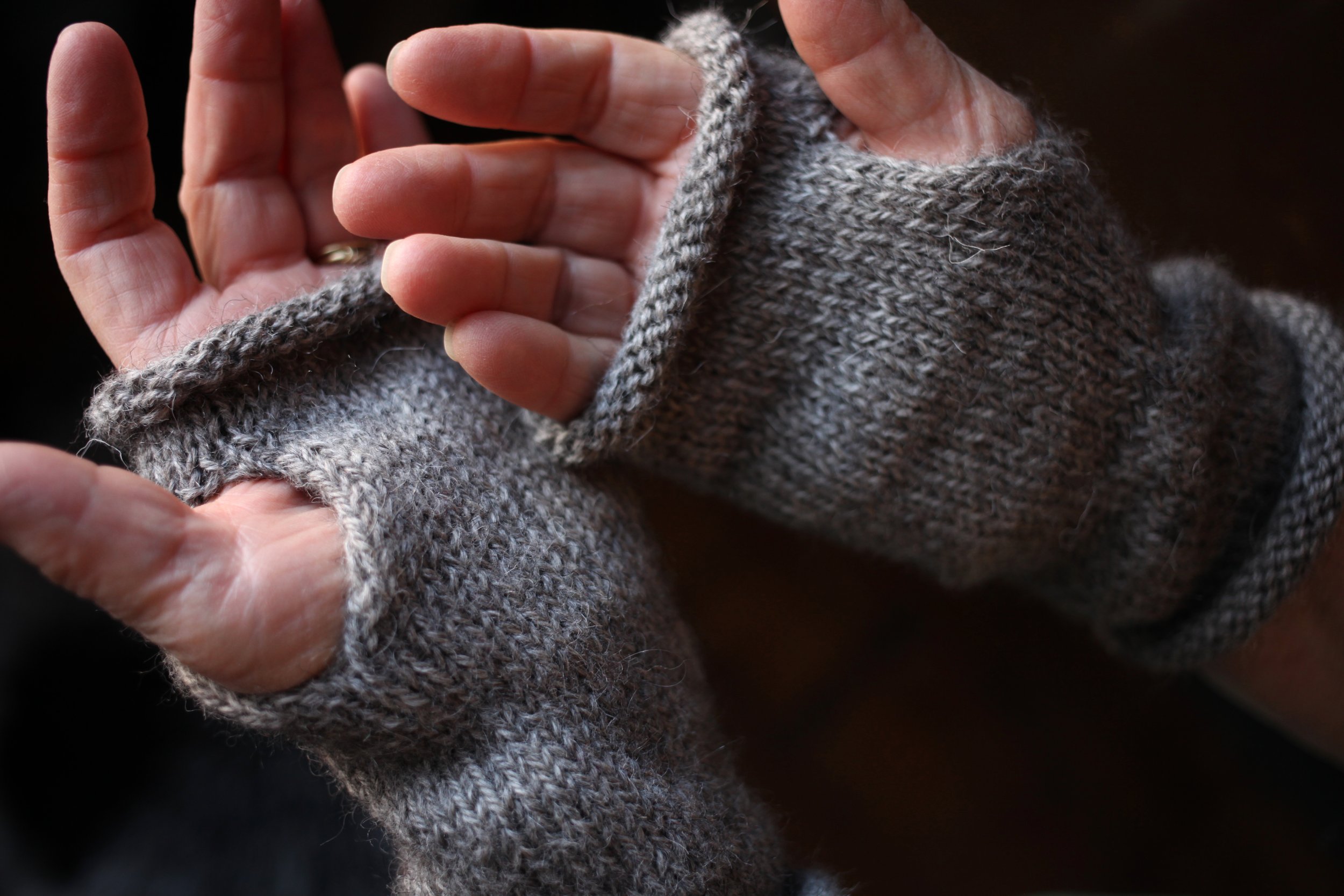
Example: Since we are shepherds and have a lot of wool on our hands every year, we spin wool and knit sweaters and hats and sometimes socks. It’s a pretty lengthy and complex process to raise your own sheep and make a sweater. And it would be hard to do it alone; several people and animals and plants are involved: to get a nice clip or shearing you need a healthy sheep which means good grass, good sun, right rain. Photosynthesis. You need to protect your sheep (highly vulnerable to prey animals like coyotes) so you need guard animals - we have dogs. We have to feed those dogs so they eat some lamb from the year before. Some eggs, some chicken scraps and some kibble we buy. We take care of the dogs and they help take care of the sheep. The sheep help us by giving us tons of manure from the winter barn every year which we use on our vegetable and flower beds. This helps us grow better food to eat ourselves and flowers to arrange and sell. The flowers also provide food for the bees which keep fruit coming on our tomato plants and also provides us with honey and wax...